Importance of Letting Your Child Get Dirty
When my grandson was about six months old, my oldest daughter discovered that her sister had let the baby play on the floor with the dogs and cats around him. She almost lost her mind. How is it possible she let him get exposed to all those germs?!! She said. Is she crazy? Then, when she had her daughter, the poor baby was kept in an almost sterile environment, even when I told her to let her get exposed to build up her immune system.
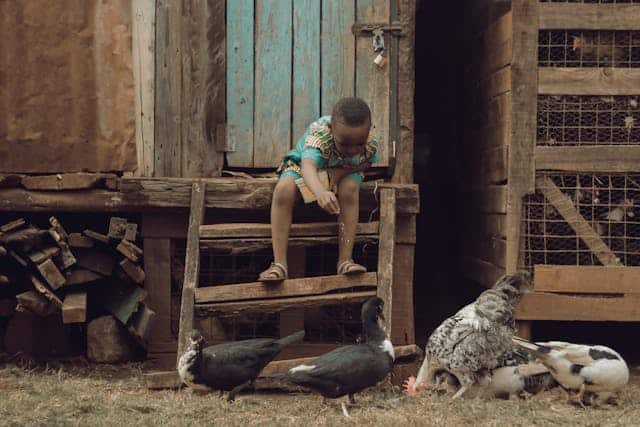
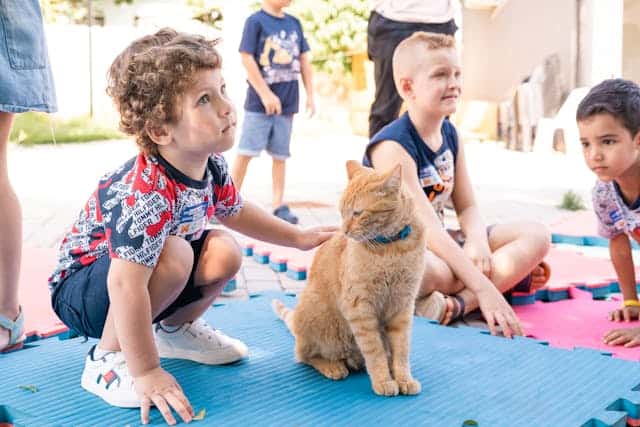
Are you doing the same thing? Are you worried that if a dog licks your child’s face, it is going to transmit diseases? Do you think a cat’s fur can give your child asthma? Do you want your child to play in the dirt because he or she will get sick?
If you say yes to any of those questions, then you are ready for a big surprise. Jack Gilbert, Ph.D., a scientist who studies microbial ecosystems at the University of Chicago, performed a study to determine how exposure to dirt and germs could affect small children. He discovered that most exposures were beneficial because they helped the children’s immune systems strengthen. He published the results in The New England Journal of Medicine.
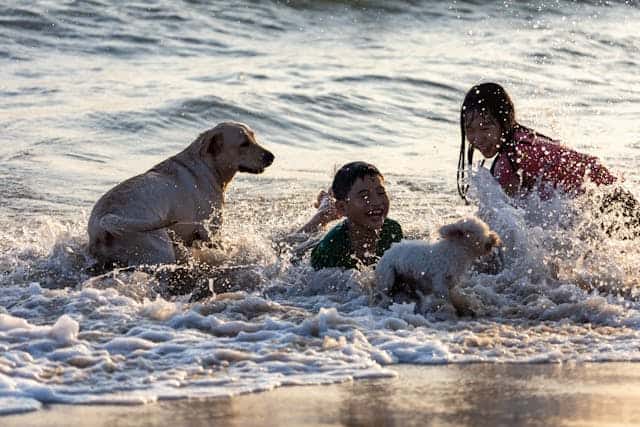
Dr. Gilbert is also a coauthor of the book Dirt is Good: The Advantage of Germs for Your Child’s Developing Immune System, where he says, “It’s fine to wash their hands if there’s a cold or a flu virus around, but if they’re interacting with a dog, and the dog licks their face, that’s not a bad thing. That could be extremely beneficial for the child’s health.”
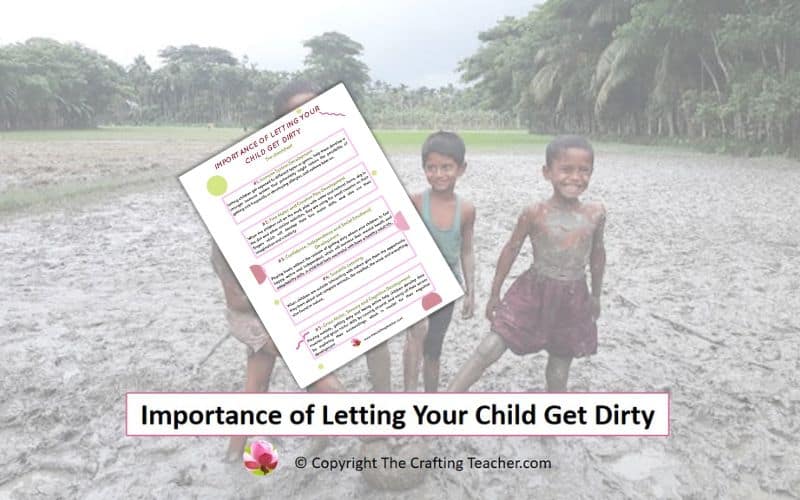
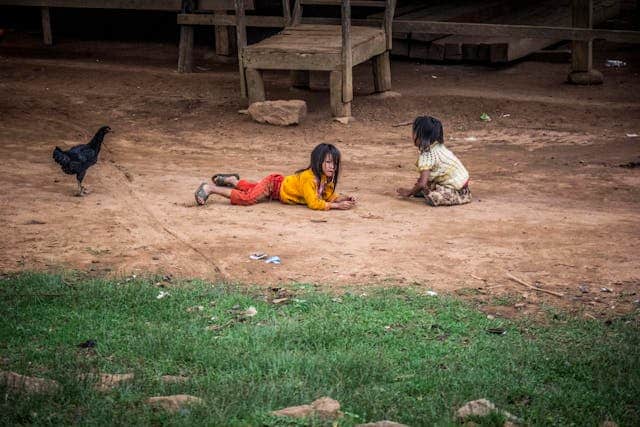
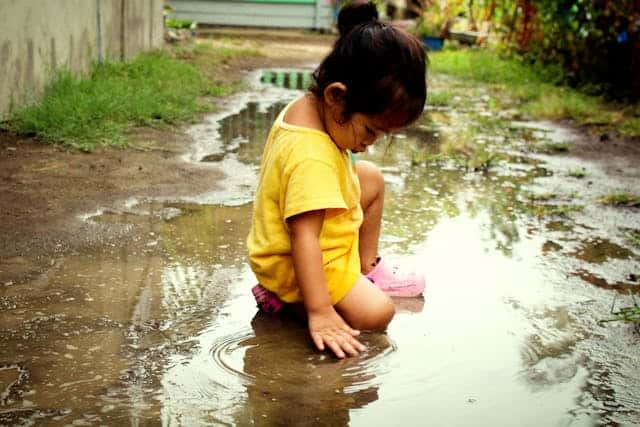
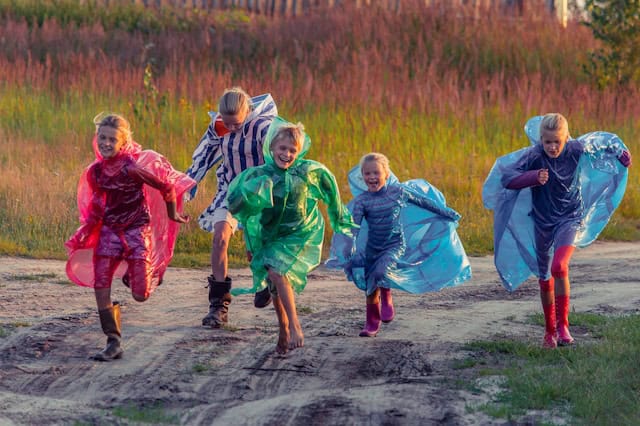
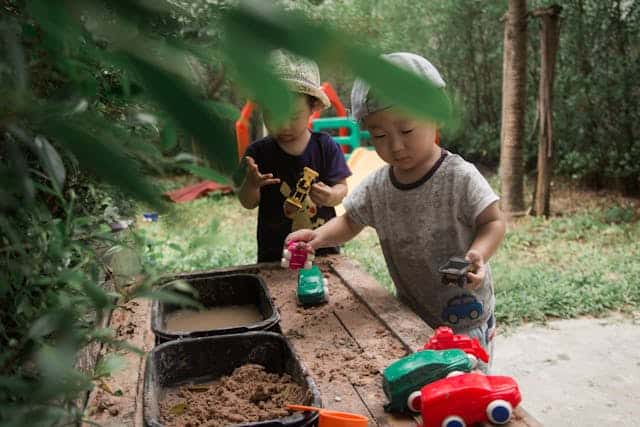
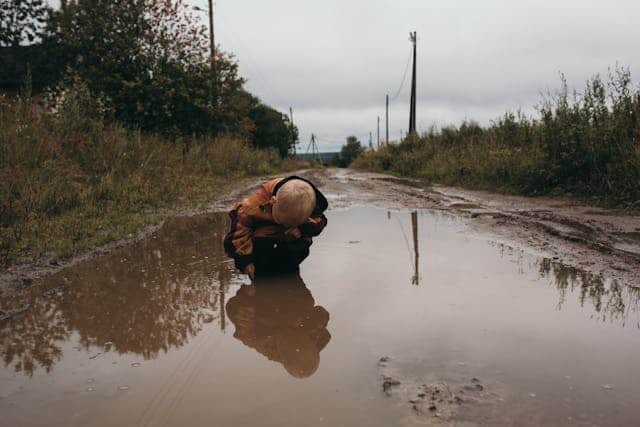
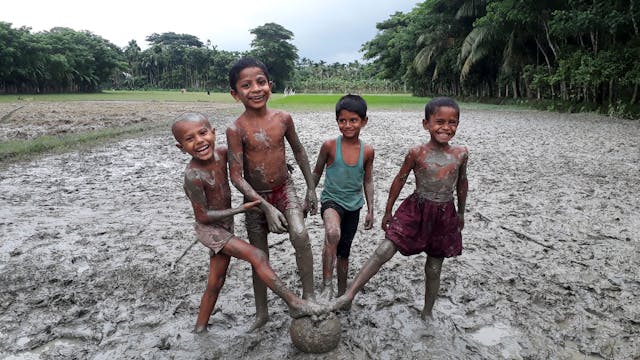
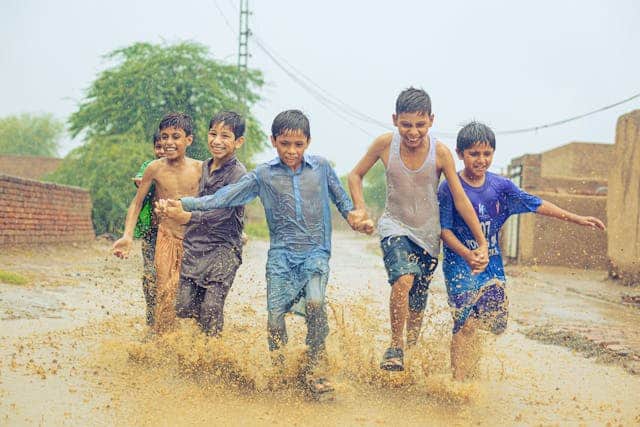
Children learn about their world by exploring, using all their senses, and feeling free and happy, including getting dirty by rolling in the mud, splashing in puddles, or wrestling with animals, among other activities. The least they need is to be restrained from doing that and made to feel guilty because they got their clothes dirty or stained.
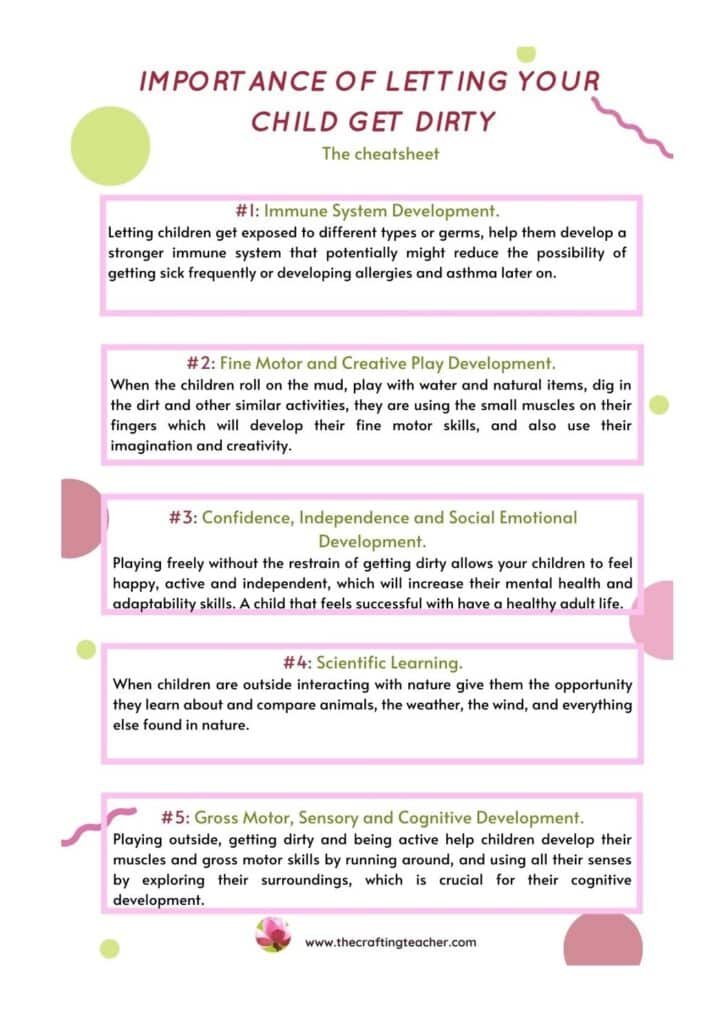
I have included a free cheat sheet explaining why letting your children get dirty is essential. You can download it at the end of this post.
Benefits of Letting Your Child Get Dirty
Letting your children get dirty offers many benefits, including play, discovery, and skill development. Among them, I can mention the following:
Immune System Development
The immune system is made up of a complex combination of organs, cells, and proteins that recognize viruses, bacteria, and other dangerous cells and destroy them to protect the body from infections and other diseases. It is crucial to help children develop this vital system by letting them do activities that might expose them to these unhealthy cells.
Yes, children might get sick at some point. Still, when you expose them to different germs, you can help them develop a stronger immune system that may reduce the likelihood of getting sick often or developing allergies and asthma later on.

Fine Motor and Creative Play Development
Fine motor skills involve developing small, precise movements using the hands, fingers, and wrists. These skills are crucial for performing essential tasks such as writing, self-dressing, and using tools.
Creative play is when children use their imagination to explore, experiment, and express their ideas and emotions through artistic activities such as painting, drawing, and building. It also fosters the development of social, emotional, cognitive, and physical skills.
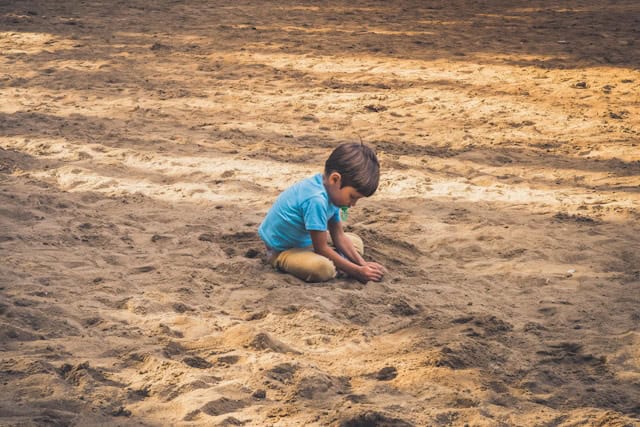
When children roll in the mud, play with water and natural items, dig in the dirt, and do similar activities, they use the small muscles in their fingers, which helps develop their fine motor skills and also use their imagination and creativity.
Confidence, Independence, and Social-Emotional Development
Confidence development is the process of building a sense of self-worth, staying positive about yourself, and feeling capable of completing different tasks successfully.
Independence development is the process of taking care of yourself, being responsible for your actions, and being able to make your own decisions.
Social-emotional development is how individuals learn to understand, manage, and express their emotions, build and maintain healthy relationships, and make responsible decisions. It encompasses self-awareness, self-management, social awareness, relationship skills, and responsible decision-making.
Playing freely, without the restraint of getting dirty, helps your children feel happy, active, and independent. This can improve their mental health and adaptability, and a child who feels successful is more likely to have a healthy adult life.
Scientific Learning
Scientific learning is acquiring knowledge by using observation to collect information, create hypotheses or theories about those observations, and experiment to get results or conclusions.
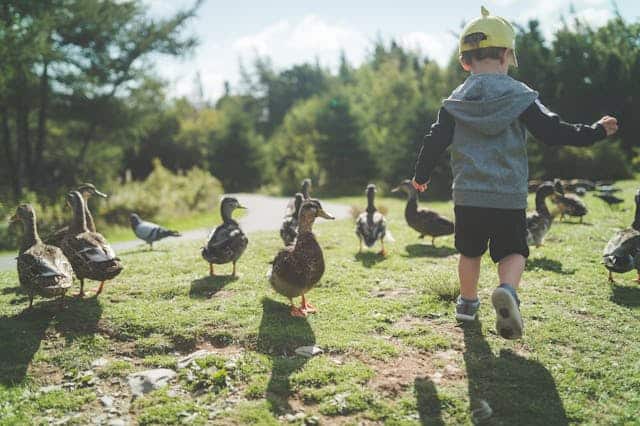
When children are outside interacting with nature, they can observe, learn about, and compare animals, the weather, the wind, and everything else found in nature. They can also understand their environment and what they see.
Gross Motor, Sensory and Cognitive Development
Gross motor development is the process of acquiring the ability to control large muscles to perform significant movements such as walking, running, and playing sports.
Sensory development is how our nervous system responds to and processes sensory data we gather by exploring and interacting with our environment using our senses (hearing, touch, taste, sight, and smell).
Cognitive development involves using memory, reasoning, language, and mathematical and scientific thinking to learn and solve problems.
Playing outside, getting dirty, and being active help children develop their muscles and gross motor skills by running around and using all their senses to explore their surroundings, which is crucial for cognitive development.

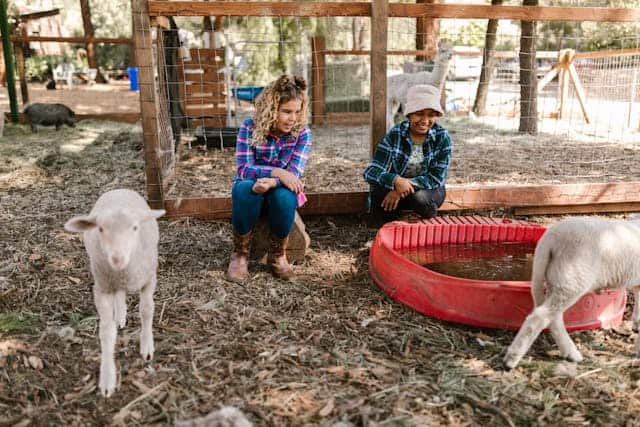
Of course, letting your children get dirty doesn’t mean leaving them unattended, especially the young ones, or having bad hygiene. Just choose safe spaces for them to play in, monitor them to ensure they are safe, give them a good bath after playing, and wash their hands regularly, especially after going to the bathroom and before and after meals, with soap and water.
Ask them about their experiences, answer their questions, and add details about what they saw or experienced. This will help them develop their language abilities and continue with the learning process they started.
Serve them balanced, healthy meals with fresh vegetables, unprocessed fiber, and protein-rich food. Avoid chips, candy, and the famous chicken nuggets to support your children’s health and immune system.
Finally, remember that children learn about the world around them by exploring and experimenting. Letting them do that will also give them a beautiful way to create wonderful memories that boost their self-esteem, confidence, and happiness for the rest of their lives.
Pin It for Later
If you are in a rush and don’t have time to read the post and download the printable, pin it to one of your Pinterest boards so it’s there when you need it.
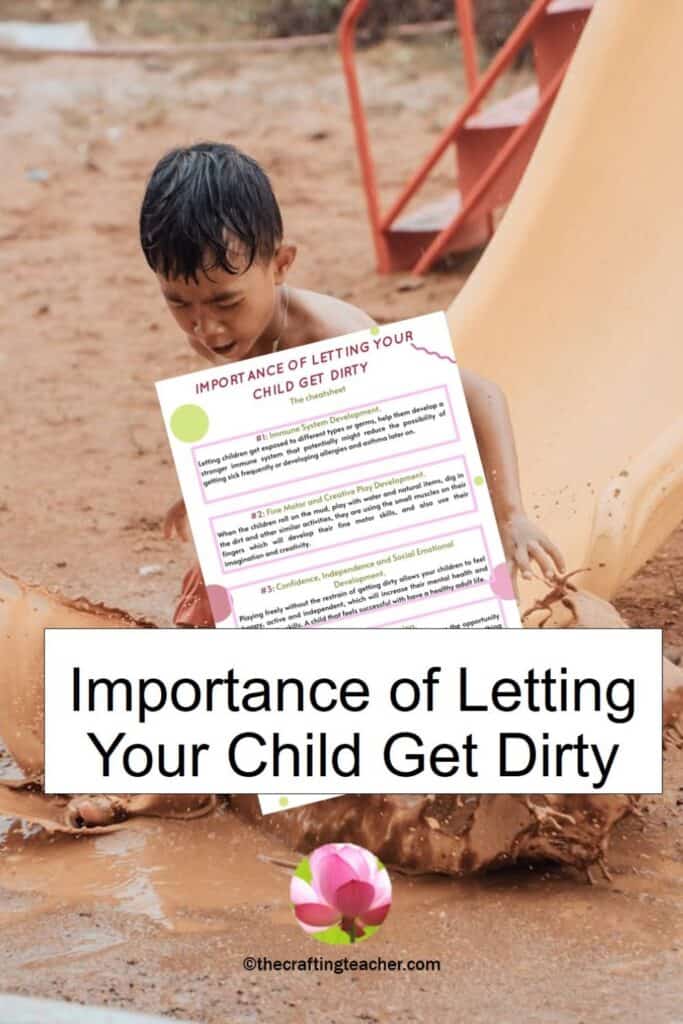
Getting this printable is super easy. Just click the button below, type your information, and you will get your download immediately.
Be happy, safe, and creative. I wish you well.
Love,

P.S. Your opinion is important to me, and I would appreciate it if you let me know what you think in the comments.
Other Posts You Might Like: