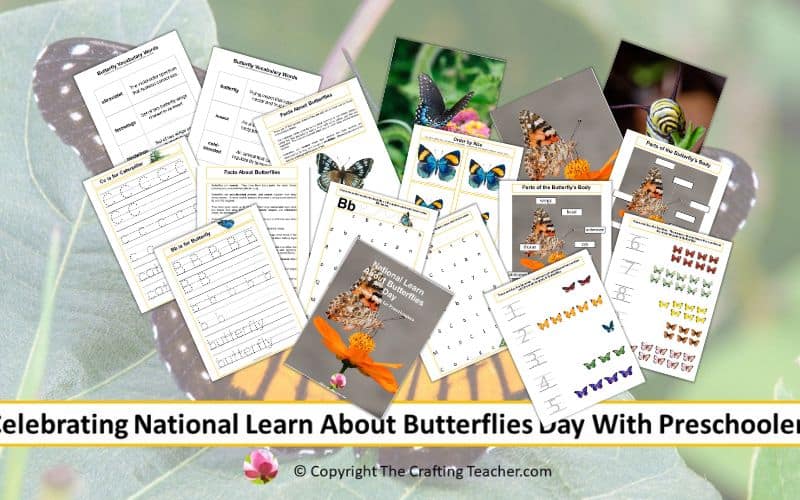
Celebrating National Learn About Butterflies With Preschoolers
Affiliate Disclosure: “This post contains affiliate links, which means I receive a small commission, at no extra cost to you, if you make a purchase using those links.”
National Learn About Butterflies Day is celebrated in the United States on March 14th to encourage people to pay attention to the butterflies migrating across the country, stop the practices that are destroying them, understand their importance to our survival, and start protecting these beautiful creatures. It is also a great opportunity for an amazing science lesson for your preschoolers, especially if you plan hands-on activities.
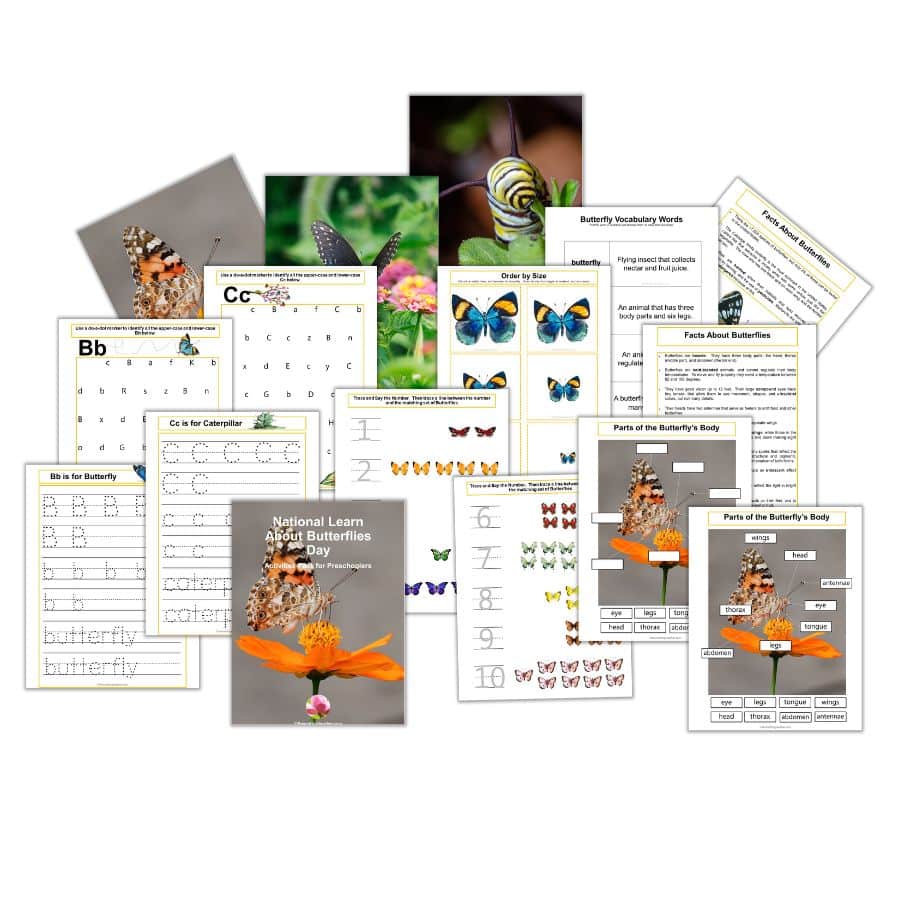
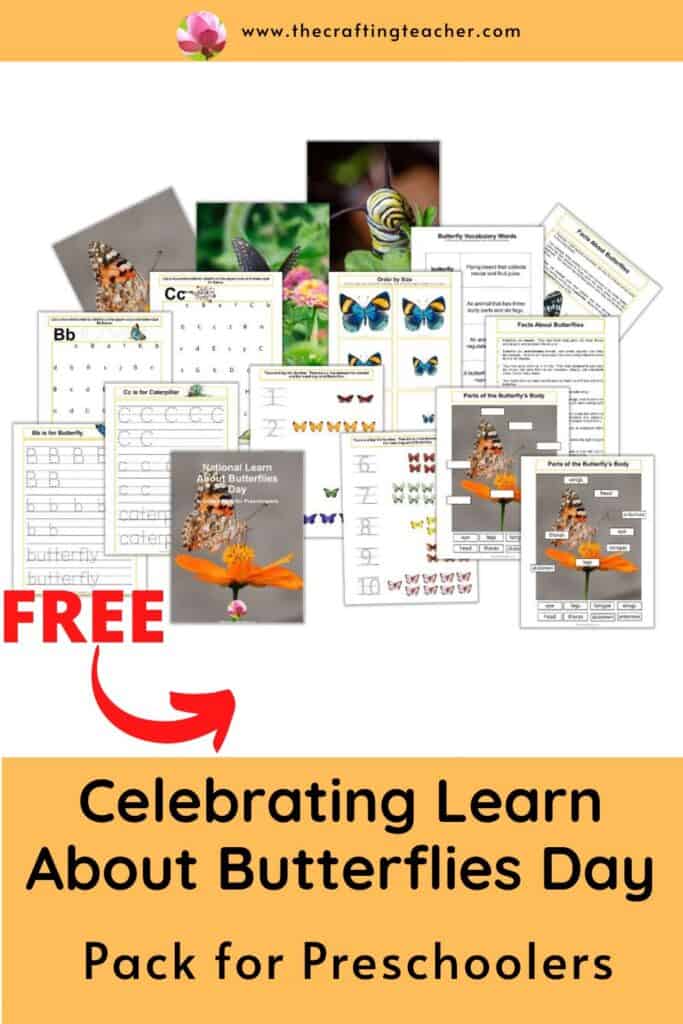
I have included a FREE 25-page National Learn About Butterflies Day activities pack with Literacy, Science, Math, and Fine Motor activities for your preschoolers, available for download at the end of this post.
Facts About Butterflies
Butterflies symbolize freedom, transformation, and rebirth, and they are among the most delicate and beautiful animals, with the power to bring a smile to most people. They not only beautify gardens but also play an important role in plant reproduction, just like bees. These are some important facts about them:
- Butterflies are insects. They have three body parts: the head, thorax (middle part), and abdomen (the tail end).
- Butterflies are cold-blooded animals and cannot regulate their body temperatures. To move and fly properly, they need a temperature between 82 and 100 degrees.
- They have good vision up to 12 feet. Their large compound eyes have tiny lenses that allow them to see movement, shapes, and ultraviolet colors, but not many details.
- Their heads have two antennae that serve as feelers to sniff food and other butterflies.
- Like all insects, butterflies have six legs and four separate wings.
- The wings closest to their head are called the forewings, while those in the rear are called the hindwings, and they move up and down, making eight-pattern figures when they are flying.
- Butterflies’ wings are transparent but covered in tiny scales that reflect light in colors, in two different color forms (structural and pigment), according to the species, and some can have a combination of both forms, like the Blue Morpho butterfly.
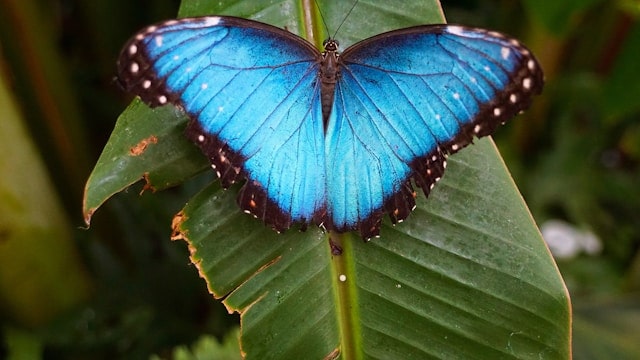
- Butterflies’ wings with structural color produce an iridescent effect when they reflect the light.
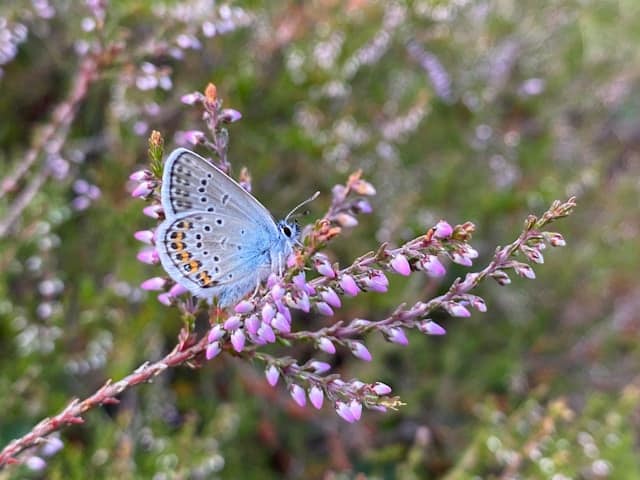
- Butterflies’ wings with pigment color tend to reflect light in bright and inky colors.
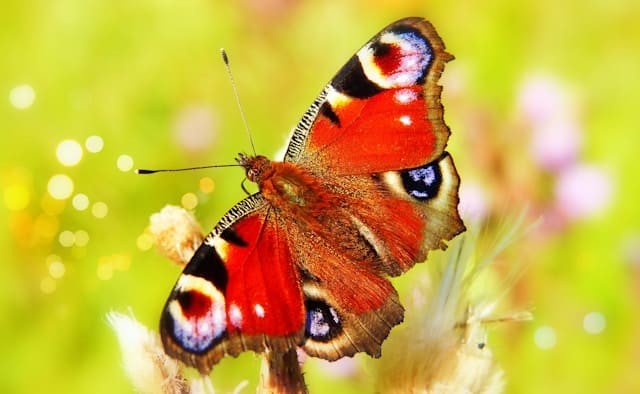
- Butterflies don’t have noses. They have taste buds on their feet, and to release the plant’s juices, they step repeatedly on a leaf or fruit.
- Butterflies’ tongues are called a proboscis and look like a straw curled underneath their chin when not used. That’s why they can only have an all-liquid diet, mostly nectar and fruit juices. When they need to sip, they unfurl their tongue.
- Butterflies sip minerals and salts from mud puddles. This is called “puddling”.
- Butterflies come in many sizes. One of the largest is the Giant Swallowtail Butterfly. It has a wingspan of 4 to 7 inches, and its wings have long tails.
- Butterflies don’t sleep. They hide in bushes and trees, and rest with their eyes open, without moving, sometimes upside down under a leaf.
- They live short lives. The average lifespan is 2 to 4 weeks, but some live only a few days, and others up to 9 months.
- As protection, some butterflies have developed colors and patterns on their wings to camouflage; some are toxic because of the plants they eat, and some have evolved to look like the toxic ones.
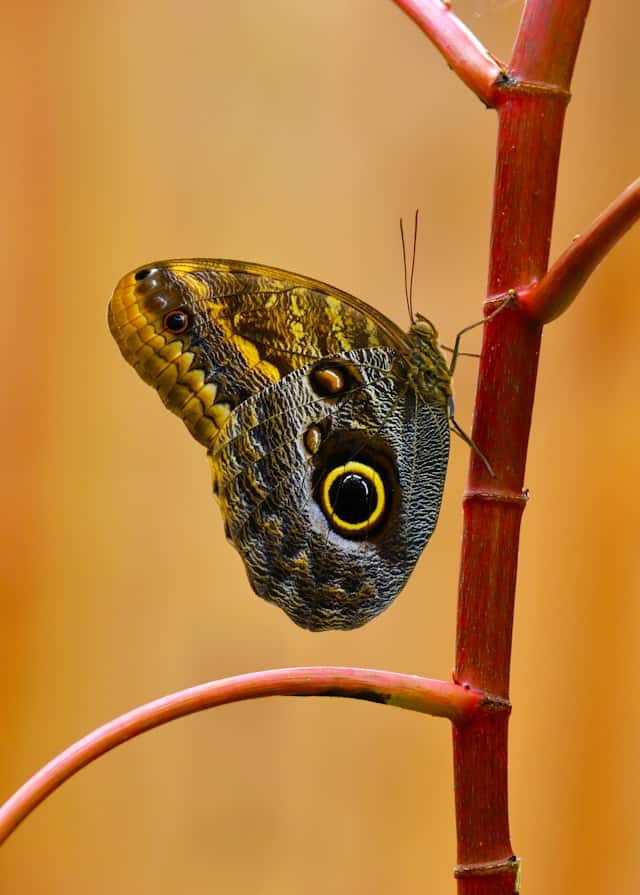
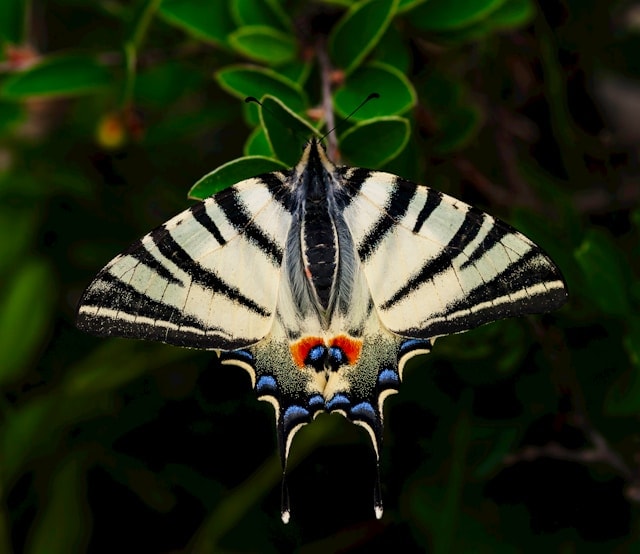
- Butterflies are very important pollinators, especially because they pollinate some flowers that bees don’t visit.
- They go through a growth process called metamorphosis, which consists of four stages: egg, larva (caterpillar), pupa (chrysalis), and finally adult butterfly. This process can last between 30 days and several years.
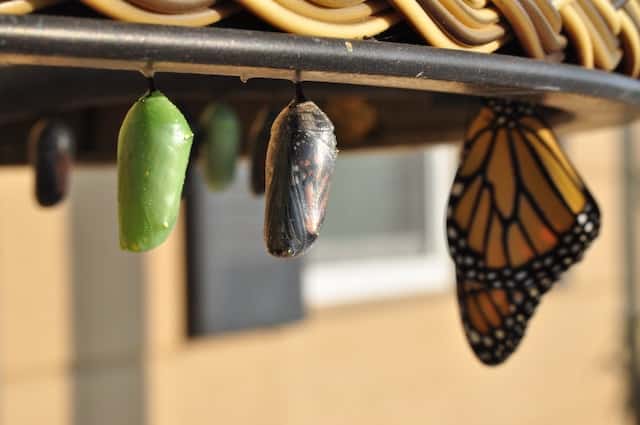
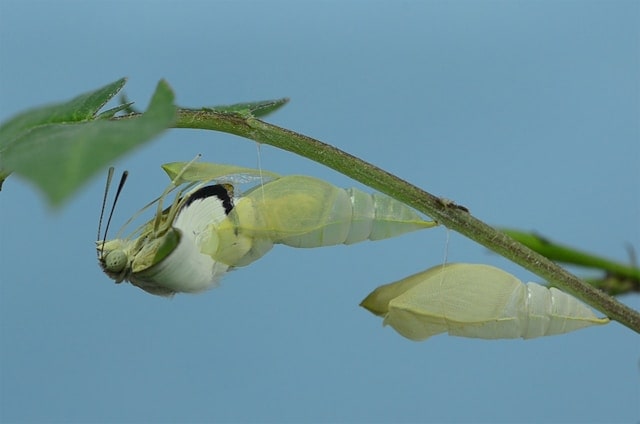
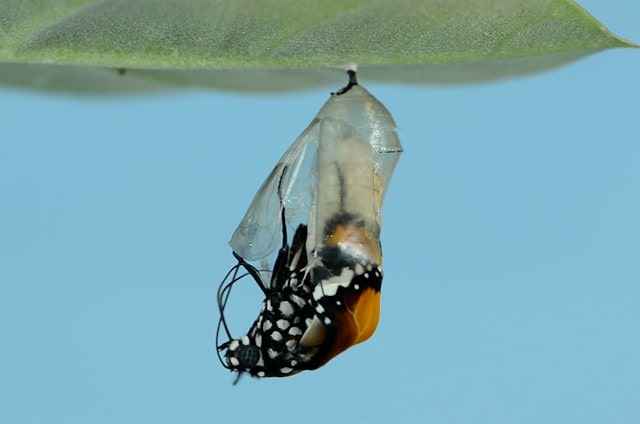
- When caterpillars hatch, they start eating a lot to grow fast. They start to shed their skin as they grow.
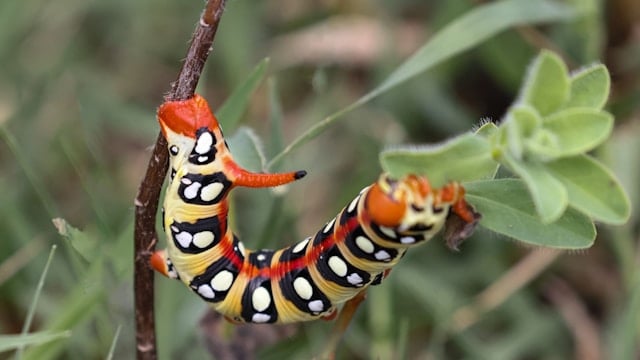
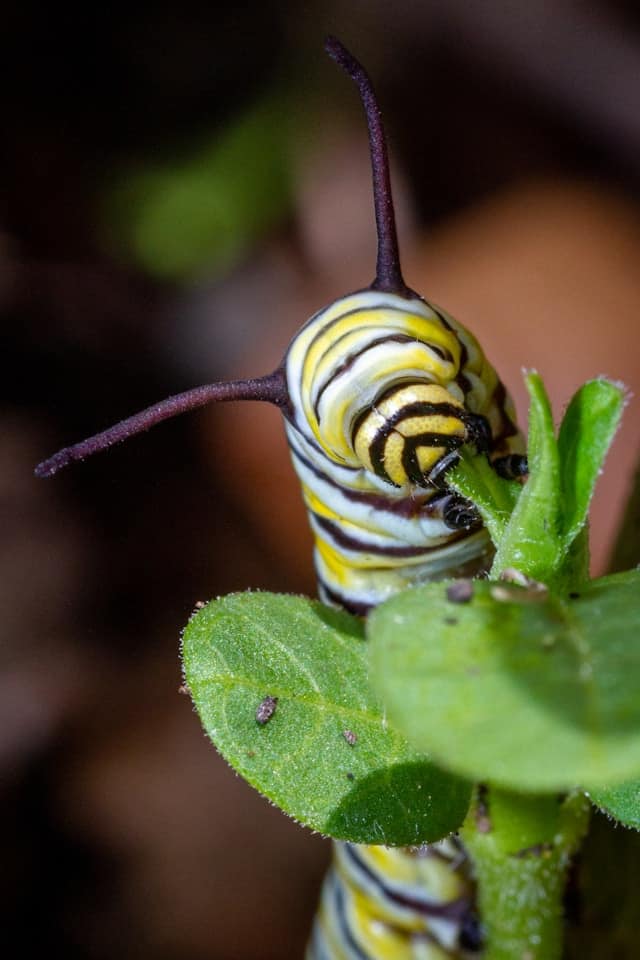
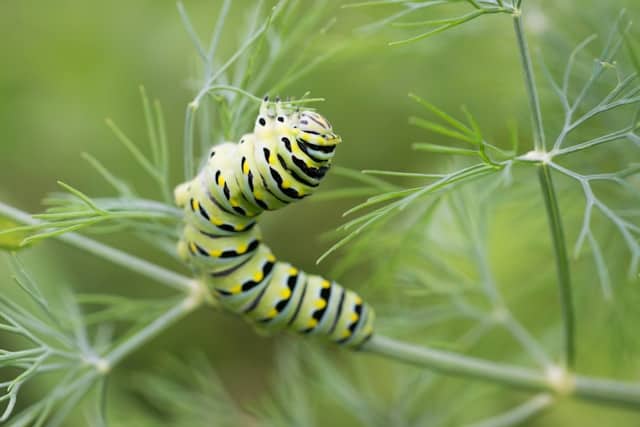
- When it’s time, caterpillars stop eating, find a sheltered spot, and cover themselves in a substance they produce to become a pupa or chrysalis for protection and start the metamorphosis process to transform into a butterfly.
- A group of butterflies is called a kaleidoscope.
- Monarch butterflies migrate from the northern United States and Canada to California and Mexico (about 3,000 miles) to escape winter. They reproduce and go back to where they came from. It is the only butterfly species known to make a two-way migration.
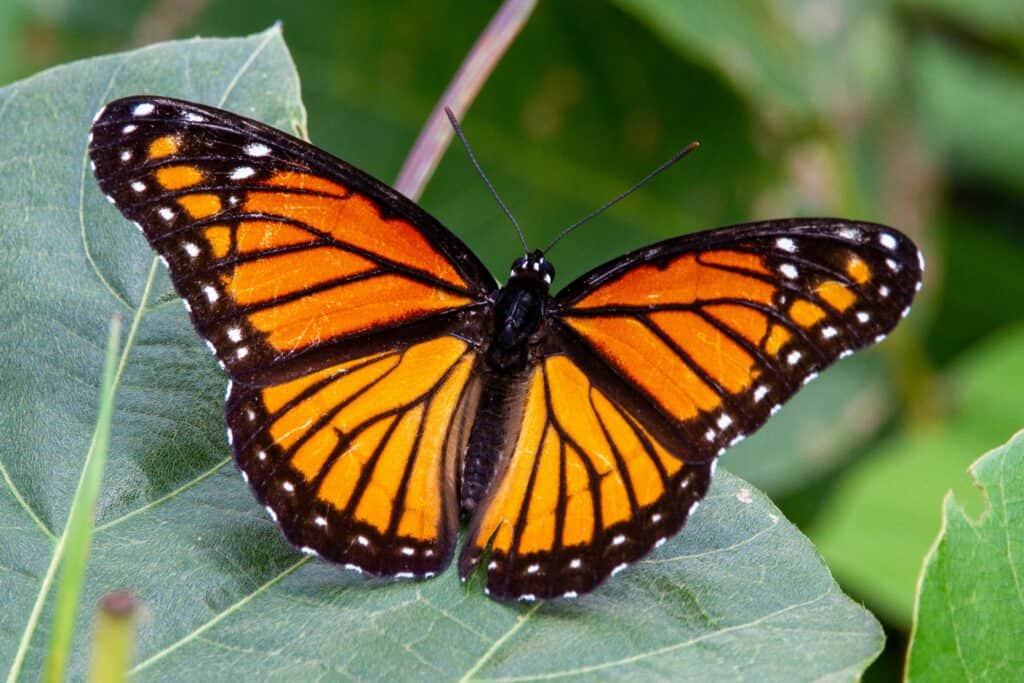
- There are 17,500 species of butterflies, but only 4% are found in the United States.
- The Cabbage White butterfly is the most common in the United States, called that because it is mostly white with some yellow, just like the vegetable. The male has one black spot on each wing, and the female has two.
- Butterflies are harmed when their habitats and food sources are destroyed by farming and the use of pesticides. Monarchs and Birdwing Butterflies are some of the species endangered because of this.
How to Celebrate National Learn About Butterflies Day
I believe we all need to learn about and act on wildlife conservation and endangered species like butterflies, and the best way to celebrate National Learn About Butterflies Day is not to limit ourselves to this single day. We have to become constant protectors and advocates for these magnificent insects through our daily practices and by spreading the word to raise awareness everywhere we go.
- Get informed about butterflies and their important role in our survival, and teach your children, families, and friends what you learned.
- Plan a field trip to your local botanical garden or zoo to learn more about the butterflies. In most of these places, there are keepers who can teach you and your kiddos about these amazing creatures, and explain (and maybe even show you) the different steps they take in their metamorphosis process.
- Make butterfly crafts with your preschoolers. You can find dozens of ideas on the internet; for example, The Spruce Crafts has a post with 15 different and easy ideas, and Messy Little Monster has 25 more.
- Sing songs about butterflies with your children. You can find the ones below on YouTube.
- Watch butterfly documentaries with your preschoolers. Below are two very educational ones.
- Raise caterpillars in your classroom or home using a butterfly habitat. This activity is very easy to do and an amazing science experience for your preschoolers. You can also order larvae (caterpillars) from Amazon. It is amazing to watch them emerge and then set them free.
- Teach your children Butterfly Yoga with “Fly Like a Butterfly” by Bari Koral.
- Add butterfly educational toys to your centers or home, like the Montessori Life Cycle of the Butterfly puzzle, Montessori Monarch Butterfly Life Cycle figurines, the Butterfly Growth Cycle Set, and a Flower Garden Building Kit.
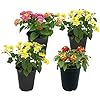
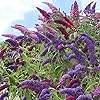
- Create a sanctuary for butterflies and other pollinators at your house and school with a variety of native, flower-producing plants to provide habitat. This is an excellent way to invite butterflies over and an amazing learning experience for your kiddos. Butterflies love yellow, orange, red, pink, and purple nectar-bearing flowers and butterfly-friendly shrubs. It’s very easy, rewarding, and a big way to help. Some butterfly-friendly plants include Milkweed, Lantana, Curled Parsley, Verbena, Angelonia, Butterfly Bush, and Calibrachoa. Plant them in clusters in a sunny spot.

- Use only natural pesticides or organic fertilizers that won’t harm butterflies or other animals.
- Support organizations that protect butterflies like Xerces Society, Save Our Monarchs, Monarch Joint Venture, and the National Wildlife Federation.
- Spread local wildflower seeds in every meadow you see. This provides an amazing habitat and food source for many animals, and it’s a great way to be proactive in wildlife conservation and protection efforts in general.
- Provide a water source for butterflies. Use a shallow container with wet soil, sand, or mud. They can also sip from your wet plants’ leaves.
- Some species need time to emerge from their chrysalis to become butterflies, and it’s a good practice not to start your spring garden cleaning until the temperature rises to more than 50°F, to give them time to emerge safely.
- Wear clothes that promote butterflies’ conservation, like the Eastern Tiger Swallowtail Butterfly Conservation T-shirt, Save the Monarch T-shirt, and Support Wildlife Conservation T-shirt.
- Use your social media contacts to spread the word about butterflies’ conservation and protection. Use #LearnAboutButterfliesDay to post.
- Read books about butterflies with your children.
Books About Butterflies
Books are an amazing source of information, and kids love them, especially when you change them periodically to keep them interested. Many books, fiction and nonfiction, are about butterflies. Some include real pictures of butterflies to help children learn about them.
Below are some of my favorites. You can find them at your local library, used bookstore, and on Amazon. If you want to purchase one, you can get to the right page on Amazon quickly by clicking my affiliate links embedded in the titles.
- Caterpillar to Butterfly by Laura Marsh. This high-interest, educational book features magnificent images from National Geographic, paired with skilled text appropriate for children.
- Flutter By, Butterfly by Rebecca Atanassova. This enchanting tale invites children into the butterfly’s journey, teaching valuable lessons along the way and the beauty that change can bring.
- My, Oh My–A Butterfly! by Tish Rabe. With a little help from the Cat in the Hat, Sally and Dick observe a small miracle in their backyard—the metamorphosis of an egg into a caterpillar into a chrysalis into a bright new butterfly!
- Butterfly Colors and Counting by Jerry Pallotta. Children will love looking at the pages and learning colors and numbers along the way.
- Butterflies by Marfe Ferguson Delano. This book will teach children about the magical world of butterflies: their beauty, their importance to plant life, and their incredible metamorphosis and migration.
- How Does a Butterfly Grow? by DK. This book teaches preschoolers about each life-cycle stage of the swallowtail butterfly, using friendly text and close-up photos.
- All Things Butterfly for Kids by Animal Reads. This colorful book, filled with amazing real-life images, combines fun with education to help you learn all about butterflies.
- A Butterfly is Patient by Dianna Hutts Aston. Turn each page to explore the world of these beautiful winged insects through watercolor illustrations that bring garden landscapes to life with flowers, vines, leaves, and sunshine.
- Waiting for Wings by Lois Ehlert. With simple, rhyming text and a glorious, color-drenched collage, the author follows the life cycle of four common butterflies, from tiny eggs and hungry caterpillars to their transformation into full-grown butterflies.
- Hello Little One: A Monarch Butterfly Story by Zeena M. Pliska. In this sweet, moving story, a small caterpillar befriends a monarch butterfly, and together they learn to see the world through each other’s eyes.
- Monarch Butterfly by Gail Gibbons. With detailed, bright watercolors, the author illustrates the monarch butterfly’s life cycle, stage by stage, as it grows, changes, and takes flight.
- Rommie’s Journey by Mary Al. In this book, kids will learn about metamorphosis by following Rommie through his transformation from caterpillar to butterfly in a fun, playful way.
- Ten Magic Butterflies by Danica McKellar. With a mix of math and magic where flowers turn into butterflies, children will discover different ways to group numbers to create ten.
Pin It For Later
If you are in a rush and don’t have time to read the post and download the printable but want to save it for later, pin it to one of your Pinterest boards.
Children need to know more about butterflies, and you, as teachers and parents of preschoolers, can encourage them to love, support, and protect these beautiful, delicate, and important pollinators so we can all have healthy ecosystems where every life thrives.
I hope you enjoy these ideas and have fun celebrating National Learn About Butterflies Day with your preschoolers. To get the FREE pack, click the link below and enter your information to download it immediately.
Be happy, safe, and creative. I wish you well.
Love,

P.S. Please let me know if any of these ideas work for you. I don’t like anything better than posting something you might find useful.
Other Posts You Might Like: