Celebrating the International Day for Biological Diversity
Affiliate Disclosure: “This post contains affiliate links, which means I receive a small commission, at no extra cost, if you make a purchase using those links.”
The International Day for Biological Diversity, also known as World Biodiversity Day, is celebrated every year by all the countries that are United Nations members on May 22 and was proclaimed by the United Nations to “increase understanding and awareness of biodiversity issues,” which lead to ecological imbalance, and to emphasize the tremendous need for the peaceful coexistence of all species on planet Earth.
But what does biological diversity mean? To understand this phrase, we first need to explain biodiversity by breaking it into its components: bio and diversity. To use simple definitions appropriate for preschoolers, we can define “bio” as life and “diversity” as a variety of different things. Putting both definitions together, we can say that “biodiversity” means a variety of different types of life, which means all the things that are alive (flora and fauna).
Parting from the definition of biodiversity, we can define biological diversity as all the humans, plants, animals, and microorganisms that exist on planet Earth, including all their genetic differences, breeds, species, and all the ecosystems (lakes, oceans, rivers, mountains, deserts, etc.) that host them all and allow them to interact.
Uffff! It’s a mouthful, but so important, because sometimes we humans forget that, as the dominant species, we have the power to have a positive impact on our planet but also can destroy it with all the toxic practices that we do, which impact biodiversity, threatening the existence of all the species that co-habit with us.
Biodiversity is the foundation for addressing health issues, food and water security, air quality, and everything else on our planet, so all species can stay alive and thrive. Did you know that 20 percent of animal protein consumed by 3 billion people comes from fish, that over 80 percent of the human diet and plant-based medicines are provided by plants, and that biodiversity loss leads to disease transmission from animals to humans and causes pandemics such as… yes, you guessed it, the coronavirus?
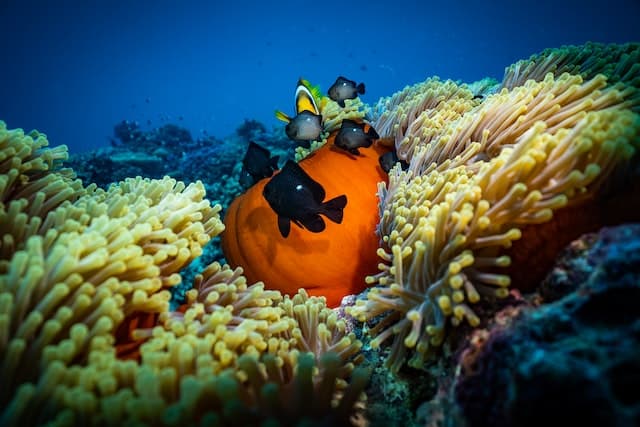
It is our responsibility to change our ways, support wildlife conservation, and protect endangered species across all ecosystems to maintain biological diversity for future generations and reduce the negative impact we have created so far, to avoid turning our planet into one unable to sustain life.
To give you one example… did you know that monoculture farming around the world has led to serious consequences, like the disappearance of an entire banana species due to disease? Yes, today, almost the entire world consumes the same type of banana, which is different from the banana consumed just decades ago. Crazy, right? And that is just one example! Without diversity, we are set up for this to happen all over again.
History of the International Day for Biological Diversity
This day started in 1991, when the Second Committee of the United Nations General Assembly declared the International Day for Biological Diversity, coming into effect on December 29, 1993, as the day selected to educate the entire world about the importance of biodiversity, raise awareness about its deteriorating condition, and celebrate the day the Convention on Biological Diversity went into effect.
Later on, in 2000, the United Nations changed this celebration to May 22 to avoid being minimized or disregarded by all the other winter holidays being celebrated across the globe, and declared the decade of 2011 to 2020 as the United Nations Decade on Biodiversity, whose purpose is to “support and promote the implementation of the objectives of the Strategic Plan for Biodiversity and the Aichi Biodiversity Targets, to significantly reduce biodiversity loss”.
International Day for Biological Diversity
This celebration can be fun and educational for you and your preschoolers and can bring a great experience to your classroom and home. These are fourteen ideas for you to celebrate this important day:
Get Informed
The only way to teach your children, families, and other community members about biological diversity and its conservation is to know it. Read articles about it and visit organizations in your area that are working to protect it.
Teach Your Preschoolers About Biodiversity
If they understand how biodiversity affects our lives and the world, they can become advocates and protectors in the future. It might be too late for some people to understand (or care) about it, but not for them. Maybe the future of our planet is in their hands, and it is our responsibility to help them understand that.
Take Your Preschoolers to a Conservation Area
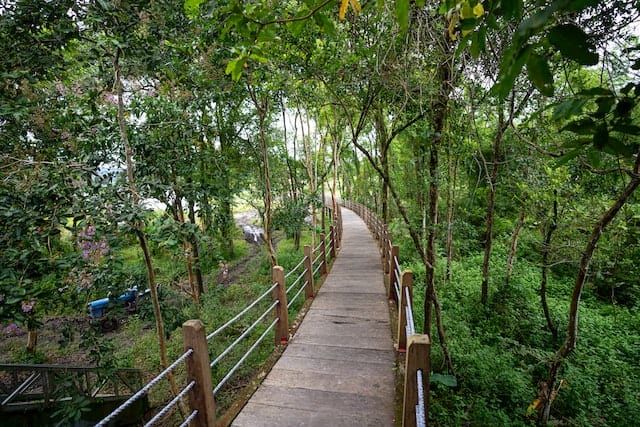
Field trips are an excellent asset to teach your children because they give them the opportunity to see, touch, smell, taste, and hear firsthand, which is a powerful learning experience.
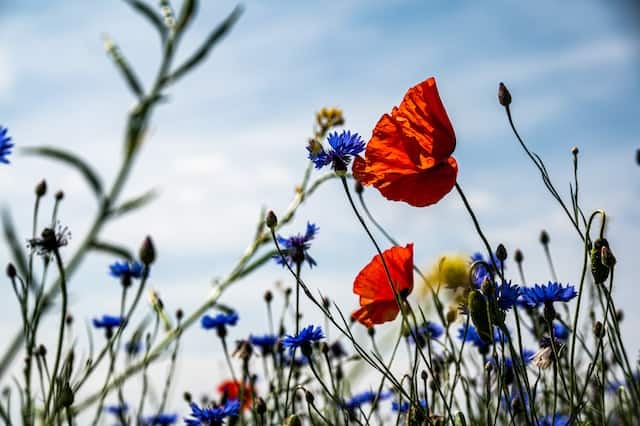
Some of the places you can take them are a zoo, an aquarium, a museum, a nature park, a beach, a reserve, a protected forest, a farm, a lake, a river, or a nature center. It doesn’t matter. All of these places have an amazing variety of life, from insects to wildflowers and everything in between. The important thing is that they have the opportunity to learn about biodiversity.
Create a Bug Hotel Together
Can you think of a better way to observe and study bugs than by creating a hotel for them? You can invite preschoolers to create a structure individually or in groups that could be super fancy or very simple, depending on the available resources.
You will need 2-liter plastic bottles, tin cans, sticks, bark, pinecones, bricks, and any other materials that you can stack together, and wait for the insects to enjoy. These two nice videos can teach you how.
When you are finished, hang them in the playground or garden or place them on the ground among the plants, and wait for the bugs to find them. Now, every time you go out, invite your children to visit their hotels and observe what bugs they see. When you come back inside, discuss their observations and have them draw the bugs they saw.
Host a Fundraiser for a Biodiversity Project
Find out which organization has a biodiversity restoration project in your community, and discuss with your preschoolers to decide together who will be the beneficiary of the fundraiser. Then decide how you will raise those funds. For example, you could ask for donations, sell raffle tickets, or sell food, but getting your children directly involved will make a huge difference. I promise you that.
Select a time frame for the event and, when it’s over, bring those funds or donations to your previously selected project, with a huge card made by your kiddos. You can even invite some of your families to accompany you with their children.
Take pictures and post them on your bulletin board and/or in your newsletter.
Make a Compost Bin for Your School and/or Home
A compost bin is an excellent science project to get your children involved in conservation, recycling, and learning about the biodiversity in your area. First, explain to the children what a compost bin is and what it is used for.
All you need is a plastic container with a few small holes for “breathing” and a lid, water, soil, dead leaves, small twigs, bark chips, shredded paper, and kitchen scraps like coffee grounds, bread, eggshells, fruit and vegetable scraps without condiments, grass clippings, a shovel, and Earthworms (optional). Mix everything and let it rot for a few weeks.
The organic material at the end will be excellent for your school or home garden and will help improve the soil.
Invite an Expert to Talk to Your Preschoolers About Biodiversity
Contact a local farmer, park ranger, zookeeper, veterinarian, or any other expert to come and talk to the children about what efforts he or she is doing to protect biodiversity. For example, this could include planting crops while respecting native animals and plants in the area, participating in the reproduction of endangered species, or protecting forests from wildfires.
Invite Your Families to Participate in a Biodiversity Exhibition
Each family can bring a photo or painting of their favorite animal, tree, or plant from the community that highlights the importance of biodiversity and provides benefits to the ecosystem.
The photos or paintings should include a short written explanation of the impact the selected item has on biodiversity and why they consider it important.
You can display all contributions and invite families and community members to observe the exhibition. To take it further, invite several community members to select the three best photos or paintings and give them prizes that reflect biodiversity conservation, such as books, produce, and seeds.
Feed Your Preschoolers New Types of Produce
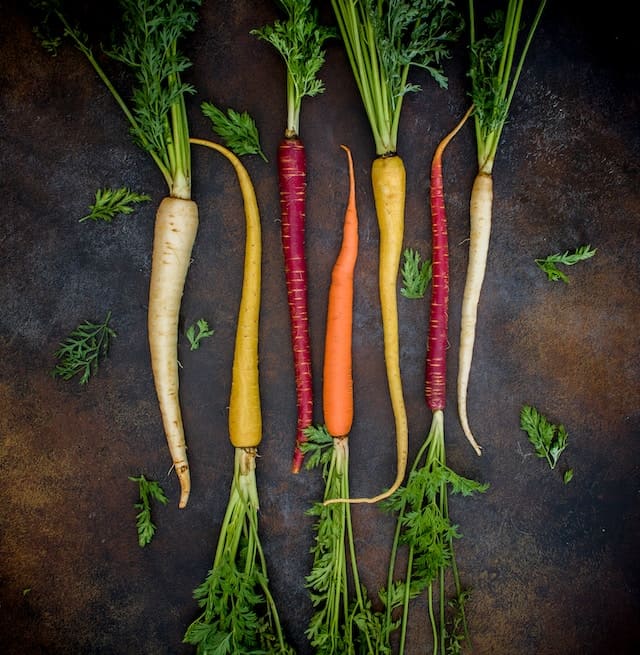
Visit farmers’ markets in your area, research what new products they are offering, and serve them to your children. Carrots even come in many colors. That should be fun. It can bring a great biodiversity experience to lunchtime.
Plant a Garden
Children love getting their hands in the dirt and planting. Use this as a learning experience and invite your families to plant a vegetable and fruit garden. You can add heirloom tomatoes, juicy strawberries, green beans, eggplants, and anything that you can come up with. Children will love the experience and learn a lot, and you can serve them the products of their labor at snack and lunchtime.
Don’t forget to research what type of pollinators, like bees, are native to your area, and plant some flowers and other plants among your vegetables and fruits to attract them. They will help you grow excellent crops and eliminate pests.
Make Bird Feeders
There are probably very few children and adults who don’t love watching birds, and it is always a good idea to attract them to your garden and supply food for them. One craft that children will love to make is bird feeders.
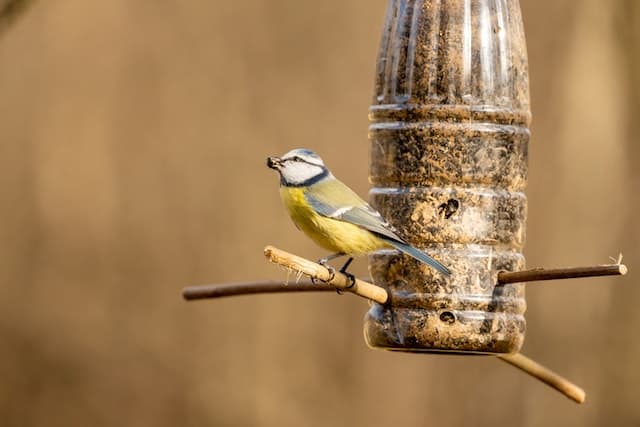
Ask your preschoolers to bring a small plastic bottle from home, clean and dry. Have a pin, scissors, sticks, string, and birdseed ready.
- Have the children paint their bottles as they please, using tempera paint. Let it dry.
- Use the pin to make drainage holes in the bottom and around the sides of the bottle, then start the rest of the holes.
- Use scissors to cut two holes for the stick to fit through, creating perches for the birds to feed, and repeat the process higher on the opposite side for the second perch.
- Make a hole with the scissors on each side above the perch for the birds to feed through.
- Make small holes in the top of the bottle to thread the string through, and tie it in a loop so it can hang from a branch or anywhere you want.
- Fill the bottle with birdseed and observe the birds that come to eat.
Children will love watching the birds as they come to feed on their bird feeders, and you can use the opportunity to talk about their colors, species, and behavior. Attracting birds will also help your garden since they will eat flies, grasshoppers, aphids, and other pests that are not beneficial for your plants.
Hold a Community Tree Planting or Cleaning
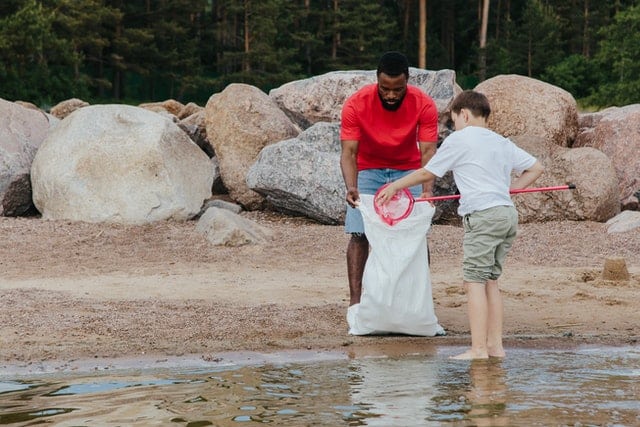
Investigate which area in your community needs help, and invite your families and other community members to participate. You can also ask your families, nurseries, park rangers, and even botanical gardens to donate trees to be planted or tools to collect trash and clean. Just ask. You don’t lose anything, but you can create a powerful learning experience for your children and spark a wave of conservation and positive change in your families.
Participate in Local Biodiversity Activities with Your Families
Since this is an international celebration, you can research online what activities other members and organizations of your community are doing to celebrate this important day and participate with your families.
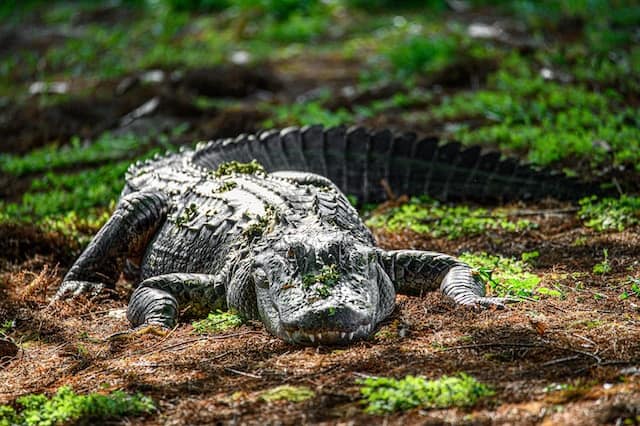
Maybe one of your local parks is hosting a clean-up event to remove invasive plants from your local environment, or, for those who are more capable, removing imported animals. Both can seriously impact negatively the flora and fauna biodiversity in your area, and even take over as the phytons here in Florida.
Any of these activities could make a huge difference in everybody’s lives.
Read to Your Preschoolers
Hundreds of books cover animals, nature, plants, ecosystems, and more. Read some of them to teach your children about these important topics. The saying “knowledge is power” is real. Knowledge gives you the ability to make good, logical, and ethical decisions, and to survive and thrive. Use it.
These are some of my favorite books about biodiversity-related topics. If you don’t have any available, go to your local library or used bookstore, or use the links in the pictures to quickly get them from Amazon. Get as many as you can, read them to your preschoolers, and fill your library and centers with them.
- Many Biomes, One Earth by Sneed B. Collard III. From mountains to prairies, this book’s rich, exquisite illustrations highlight the smallest details in each habitat, complemented by fascinating, fact-filled text about Earth’s splendid ecosystems.
- Who Lives Here? Polar Animals by Deborah Hodge explores the polar region and the amazing animals whose bodies are built to live in extreme cold, find food, and raise their young in a habitat of thick ice and snow.
- Who Lives Here? Desert Animals by Deborah Hodge explains how each animal’s body is suited to live in this arid place, using realistic illustrations, playful language, and intriguing facts.
- Who Lives Here? Rainforest Animals by Deborah Hodge describes animals whose bodies are built to live among tall trees and lush green plants. They all have unique ways to find food, stay safe, and raise their young in a warm, wet tropical forest.
- Who Lives Here? Forest Animals by Deborah Hodge describes how the forest is home to incredible animals whose bodies are built for living among the trees in cold weather. Black bears, wolverines, loons, and other animals have particular ways of keeping warm, finding food, and raising their young in a forest habitat with lakes and rivers, short summers, and long winters.
- Who Lives Here? Savanna Animals by Deborah Hodge describes the savanna, home to exciting animals whose bodies are suited to living on the warm, grassy plain. Elephants, giraffes, lions, meerkats, zebras, and other animals have special ways of finding food, raising families, and protecting themselves in this habitat with long dry seasons and shorter rainy seasons.
- Who Lives Here? Wetland Animals by Deborah Hodge. Wetlands are home to amazing animals whose bodies are built for living in or near water. Hippos, crocodiles, and anacondas have special ways to find food, stay safe, and raise their young in a watery habitat.
- A Home Can Be…. by Stephanie Seidler. From a floating house on the water to a tree house built high in the branches, each page showcases a new and unique dwelling, celebrating the diversity of habitats and the creativity of those who make them.
- About Habitats: Oceans by Cathryn Sin uses simple, easy-to-understand language and beautifully detailed paintings to teach children about oceans, the kinds of animals and plants that live there, and why oceans are essential.
- Tall, Tall Tree by Anthony D. Fredericks discusses the magnificent California coast redwood, the animals that live there, and its surrounding environment, using a counting format and rhyming text.
- Animal Homes by Shira Evans is a National Geographic book that uses brilliant photos to introduce children to vocabulary in concept groups, help them connect words, and expand their understanding of the world.
- Animal Habitats by Lundgren teaches children about different animal species and the habitats they use for food and protection.
- Fun in the Mud: A Wetland Tale by Sally Bolger is a luxuriously paced tale of the wetlands’ most secretive inhabitants that weaves rich fantasy with fun wetlands facts.
- About Habitats: Wetlands by Cathryn Sill explores the major attributes of wetlands and demonstrates their remarkable diversity using examples from around the globe, using simple, easy-to-understand language to teach children what wetlands are, what kinds of animals and plants live there, and how wetlands help maintain the delicate balance of Earth’s environments.
- America’s Wetlands by Marianne Wallace uses full-color illustrations and lively descriptions to help in identifying wetland types (swamp, marsh, or pond), plants, and animals.
- Song of the Redwing: Voice of the Wetlands by Tish McFadden helps children explore a marsh through the eyes of the red-winged blackbird.
- In the Pond by Aubre Andrus teaches children all about ponds around the world and the animals that call them home, introducing new words and concepts while helping them expand their understanding of the world.
Pin It for Later
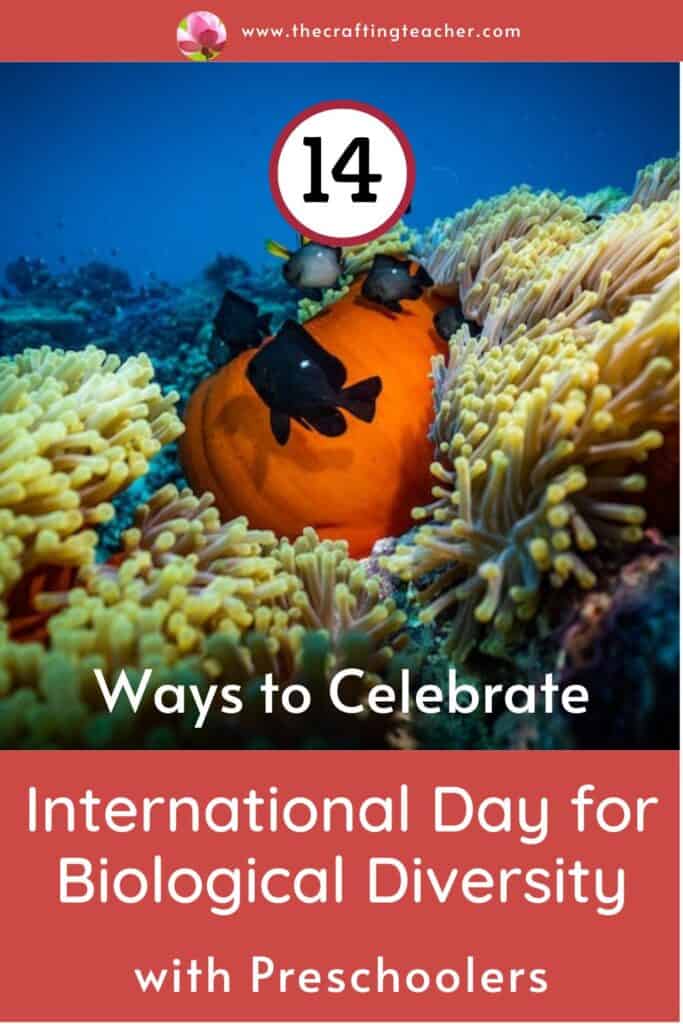
If you don’t have time to read these ideas but want to do it later, just pin it to one of your Pinterest boards.
It doesn’t matter how advanced the world is, technologically speaking; we all depend on the natural world to survive. Every life on this planet is connected in one way or another, and we cannot survive without each other.
Don’t limit the International Day of Biological Diversity to participating in and educating about it. Celebrate the diversity of our natural world and involve your preschoolers in it every day. Together we can change the damage we already caused. It doesn’t matter if you didn’t participate in it directly; it involves you too.
I hope you enjoy these ideas and that they help you have fun celebrating International Day for Biological Diversity with your preschoolers.
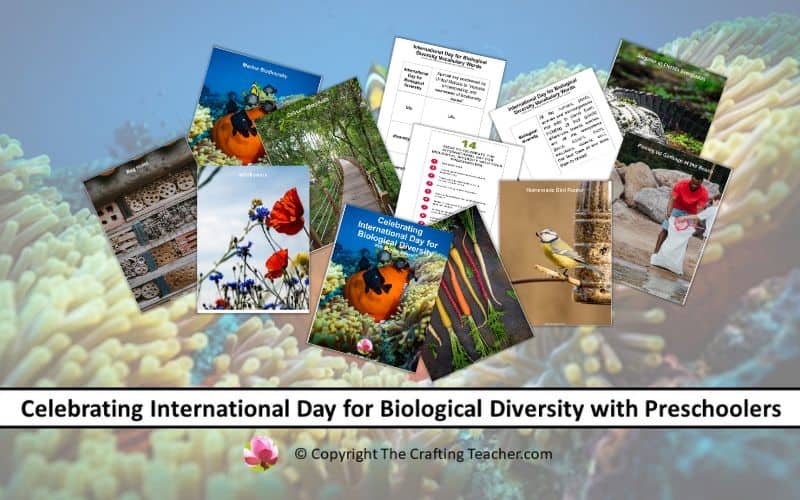
I’ve included a small FREE pack with the pictures, definitions, and infographic for you. To get it, just click the link below and enter your information for an immediate download.
Be happy, safe, and creative. I wish you well.
Love,

P.S. Please let me know if any of these ideas worked for you, or if you think I need to add or replace something. My goal is to help you in any way I can.
Other Posts You Might Like: