Celebrating World Otter Day with Preschoolers
Affiliate Disclosure: “This post contains affiliate links, which means I receive a small commission, at no extra cost, if you make a purchase using those links.”
World Otter Day is celebrated every year on the last Wednesday of May to raise awareness about these playful mammals, their habitats, their crucial role in our ecosystem, and the threats to their survival. This year, this special day falls on the 29th.
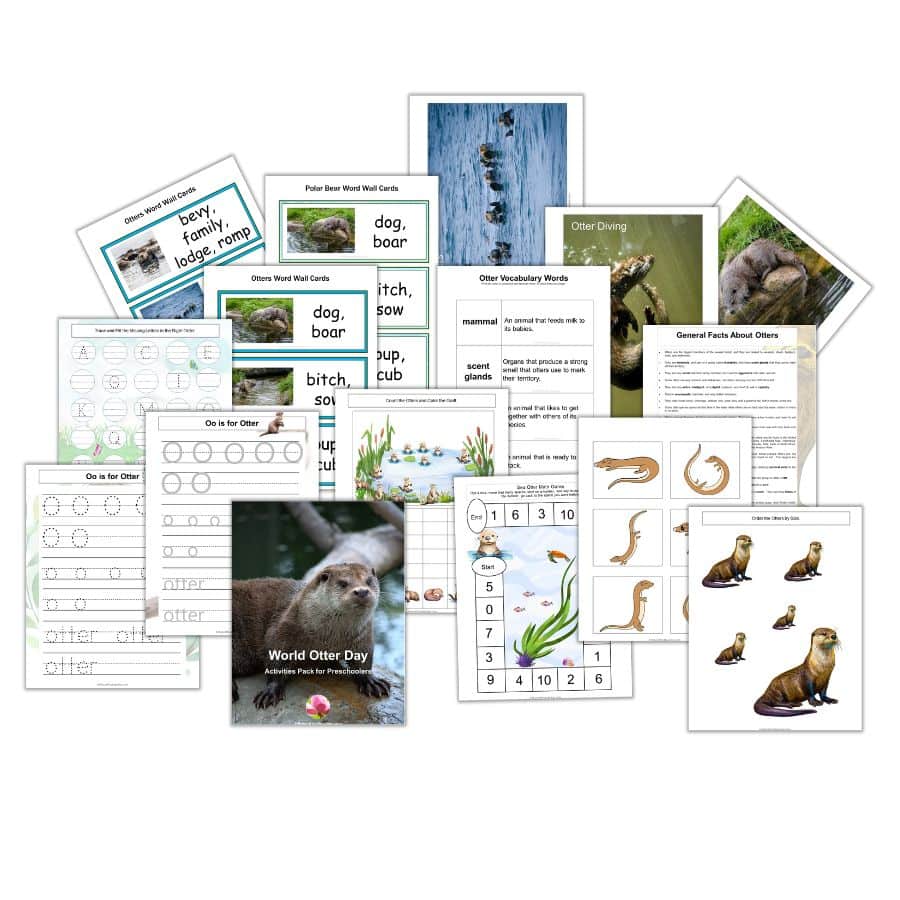
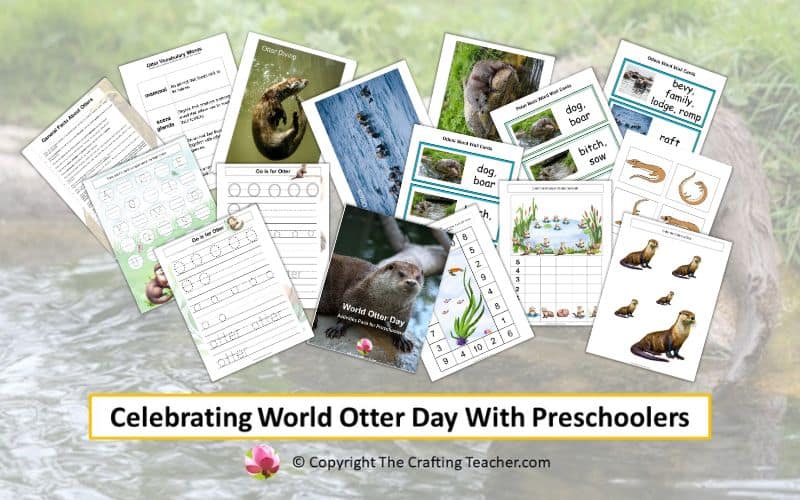
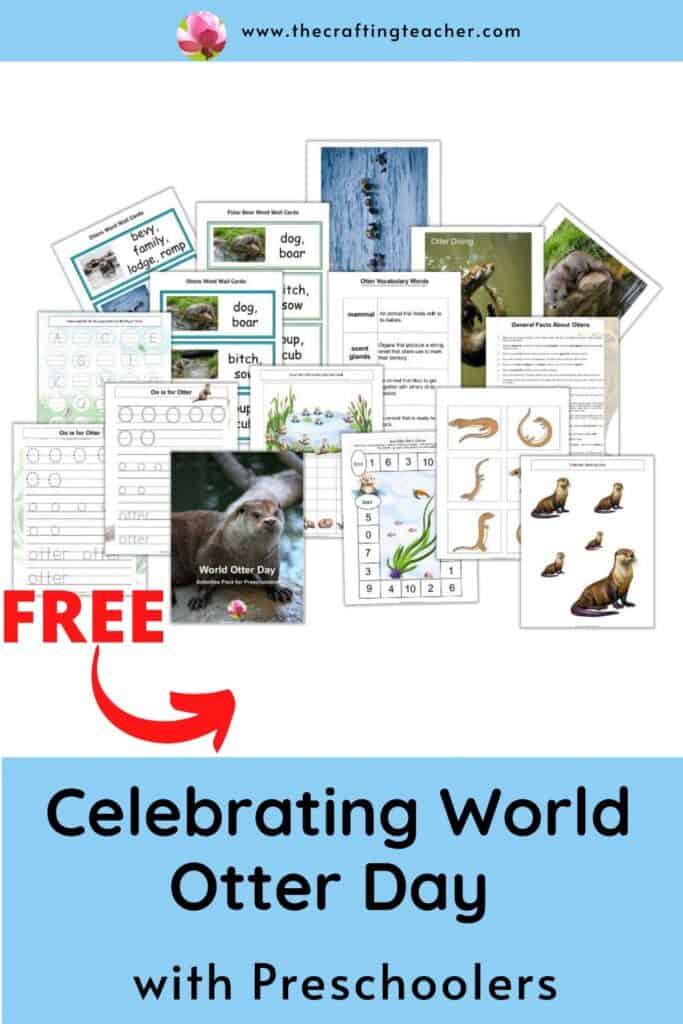
At the end of this post, you will find a World Otter Day pack as my gift to you. It includes 27 pages of Literacy, Science, Math, and Fine Motor activities for your preschoolers that you can use to complement the other activity suggestions and ideas I’m offering you below to celebrate this important day.
History of World Otter Day
The idea for World Otter Day began in Cambodia in June 2009 with Otterly Mad Week, a special one-week event filled with fun, engaging, and educational activities to raise awareness of the need to protect otters and get people involved. Since then, these workshops have been held every year in many places, such as Indonesia, Bangladesh, China, and Cambodia.
These workshops provide training on otters’ situation, importance, and other conservation issues; law enforcement; field techniques; current research; and other important related issues.
In November 1993, the International Otter Survival Fund (IOSF)was established. It is the leading organization dedicated exclusively to conserving and protecting all otter species and their habitats, and it supports everyone researching otters and working on their rehabilitation worldwide.
The Otterly Mad Week has had such an impact worldwide that, in 2014, it became International Otter Awareness Day, reaching more countries and increasing its impact.
In 2015, Tanzania held the first African Otter Workshop, with park rangers, otter rehabilitators, ecologists, and other experts from ten sub-Saharan countries participating: Ghana, DRC, Benin, Gambia, Ethiopia, Malawi, Kenya, Rwanda, South Africa, and Tanzania. The workshop aimed to train participants in field techniques, conservation issues, and special programs related to otters.
Finally, in 2016, World Otter Day was funded and declared a global celebration to draw attention to otters and advocate for their protection worldwide. This event was made possible with the complete support and dedication of the International Otter Survival Fund (IOSF) in 44 countries.
How to Celebrate World Otter Day
Celebrating World Otter Day with your preschoolers can be simple and fun, and what’s more important is helping them and others learn about these amazing mammals. These are some ideas of things you can do:
- In some places, these cute mammals are so elusive and hardly seen that many people who live in the area don’t know about them; therefore, you must learn about otters, their characteristics, habits, habitats, and what threats they are facing, and teach your preschoolers, family, and friends about everything you learned. Education and information are two of the most powerful tools to have successful conservation projects.
- Offer your preschoolers some art projects. You can find several ideas at kidsartncraft.com.
- Show your children videos about otters. These will help them get to know otters a little better and, hopefully, encourage them to protect them in the future. Below are some you can find on YouTube.
- Invite your preschoolers to dress up as otters and have a parade. To complement the day, have them wear their bathing suits during Outside Time and turn on the sprinklers or water hose for a fun water day.
- Serve fish for lunch, and have your preschoolers eat their meal with their “forepaws,” wearing disposable gloves to emulate webbed feet. For extra fun, you can also serve pudding with gummy worms inside during snack time.
- Invite a zoologist, vet, biologist, or other animal expert to talk with the children about otters.
- Use your social media to share posts from various organizations that work to save otters and raise awareness about World Otter Day.
- Organize a fundraising event to support an organization like the IOSF, which tirelessly protects otters and their habitats. Even a small contribution can make a big difference.
- Go on a field trip with your children and their families to your local zoo to watch the otters. That will allow them to observe these mammals in person.
- Invite your families to create an art piece about otters with their children. It could be a collage, a drawing, a painting, or maybe a sculpture. Then, prepare an exhibition for all the families to enjoy. This is a wonderful way to involve your families and encourage them to learn about these cute animals in a personal way.
- Find out if your local zoo or wildlife organization plans to host special events on World Otter Day. These could include educational workshops, clean-up drives, fundraising events, or even otter-themed parties. These events can be a great way to support the cause and meet like-minded people.
- Invite your family and friends to symbolically adopt an otter through the World Wildlife Organization (WWF), Mote Organization, or the Sea Otter Foundation Trust. This action will help care for and protect these animals, and the otter “parent” will receive updates about the adopted otter and learn about its life.
General Facts About Otters
- Otters are the larger weasel family members and are related to weasels, stoats, badgers, mink, and wolverines.
- They are mammals and part of a group called Mustelids, which have scent glands that they use to mark off their territory.
- They are very social with their family members but can be aggressive with other species.
- Some otters are common and well-known, but others are rare and difficult to find.
- They are very active, intelligent, and playful creatures and don’t do well in captivity.
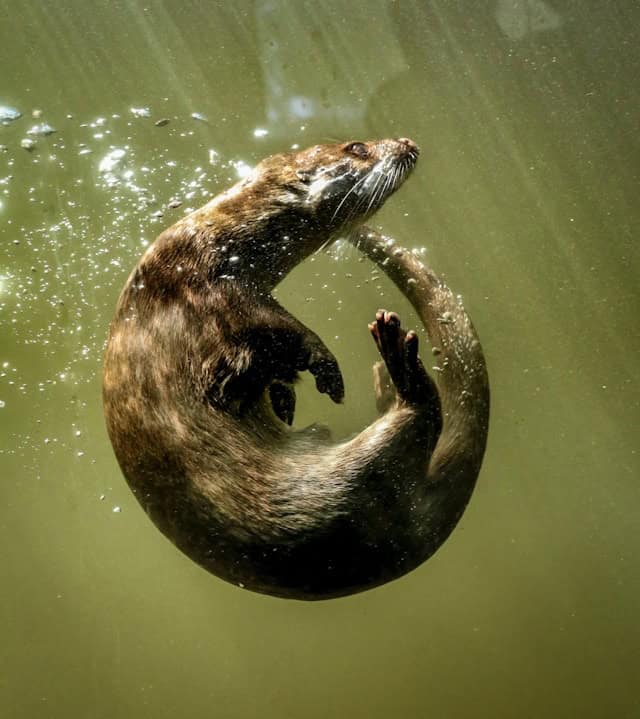
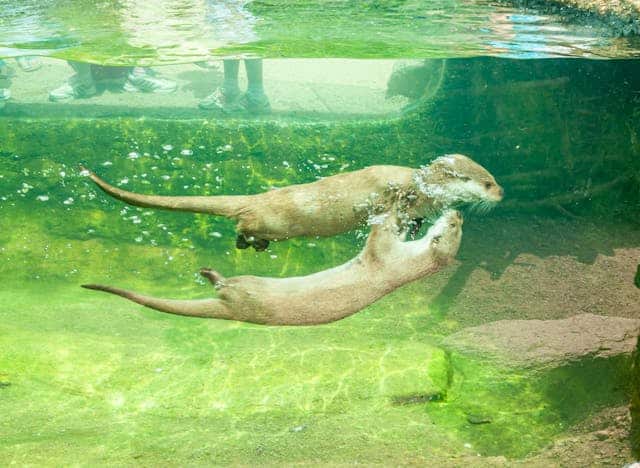
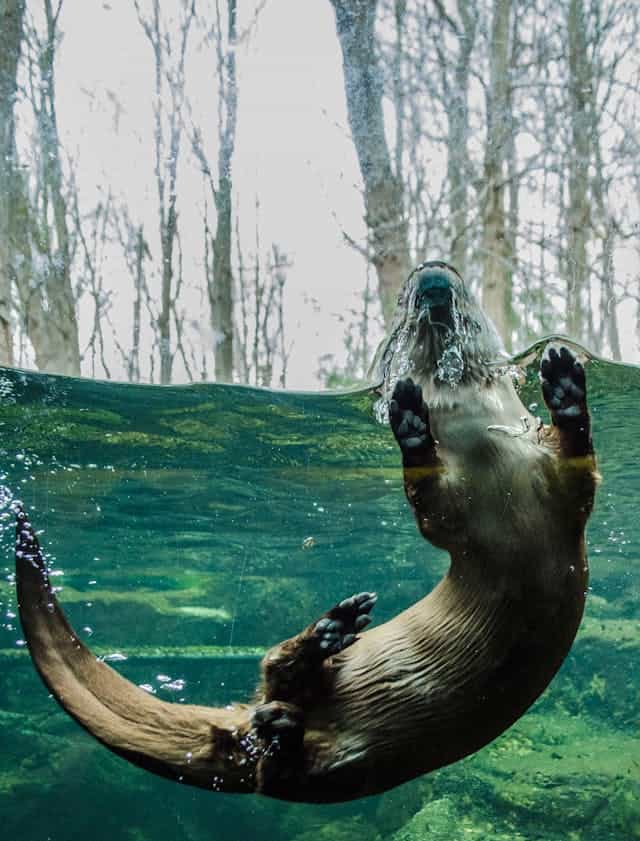
- They’re semi-aquatic mammals and very skilled swimmers.
- They have a broad snout, short legs, webbed feet, small ears, and a powerful tail that tapers to a point.
- Some otter species spend all their time in the water, while others are on land near the water, either in rivers or oceans.
- Otters are carnivorous, but they also eat aquatic plants. They are active hunters and must eat large amounts of food to support their fast metabolism.
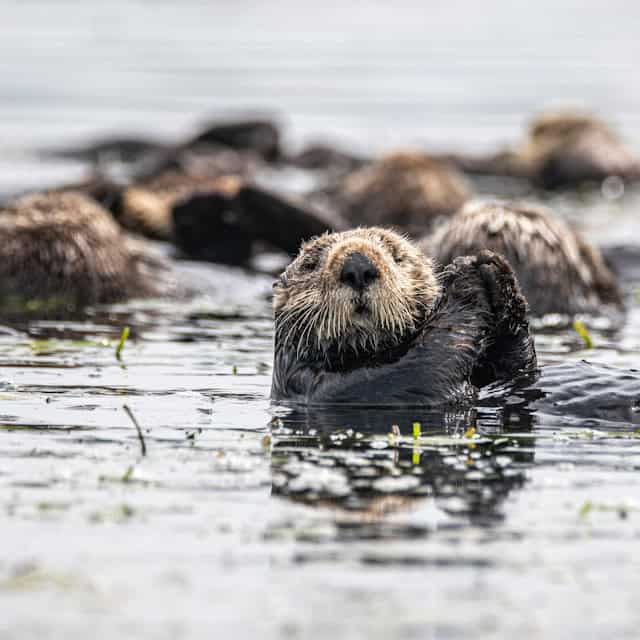
- Otters use their forepaws to capture and hold their food. All otters clean their coat with their teeth and paws after every meal.
- There are thirteen species of otters. Sea and North American River otters can be found in the United States. Asian Small-clawed otters live in southern India, southern China, Southeast Asia, Indonesia, and the Philippines. European and Eurasian otters are found in Europe, Asia, parts of North Africa, and the British Isles. The Giant otter is found in South America around the Amazon River.
- Male and female otters have almost the same body shape. The Asian small-clawed otter is the smallest, weighing less than 10 pounds and measuring two feet from head to tail. The largest are the Giant and Sea otters, which can reach 5.9 feet and weigh 99.2 lb.
- They live alone or in pairs but gather in small social groups to play and teach young otters survival skills.
- A group of otters is called a bevy, family, lodge, or romp; in the water, it is called a raft.
- A male otter is called a dog or boar, and a female otter is called a bitch or sow.
- Otters can have babies at any time of the year, in a den called a holt or a couch. They can have litters of up to six babies, called pups or cubs.
- Together, all members of the family group help care for and feed the young pups, and Asian small-clawed otter couples stay together for life.
- Otters live less than 10 years in the wild and up to 16 years in captivity.
- Otters are considered a “keystone” species, meaning their well-being often indicates the health of their entire habitat; their survival is crucial for healthy ecosystems and many other species that share their habitat.
- Otters are in serious trouble due to habitat destruction, a lack of prey, killing, and illegal trade. Twelve of the 13 species are disappearing. Seven of these species are classified as vulnerable, and five are endangered.
Facts About River Otters
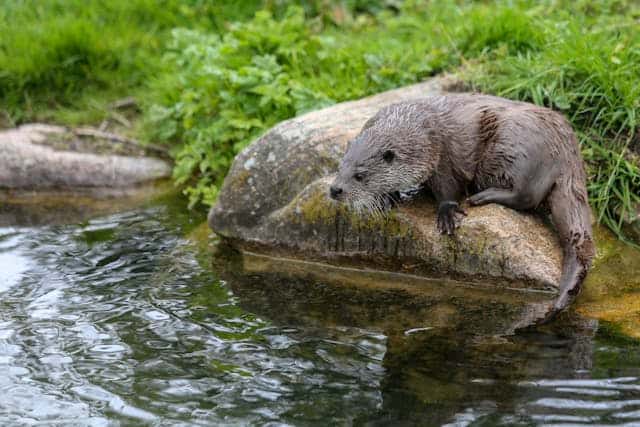
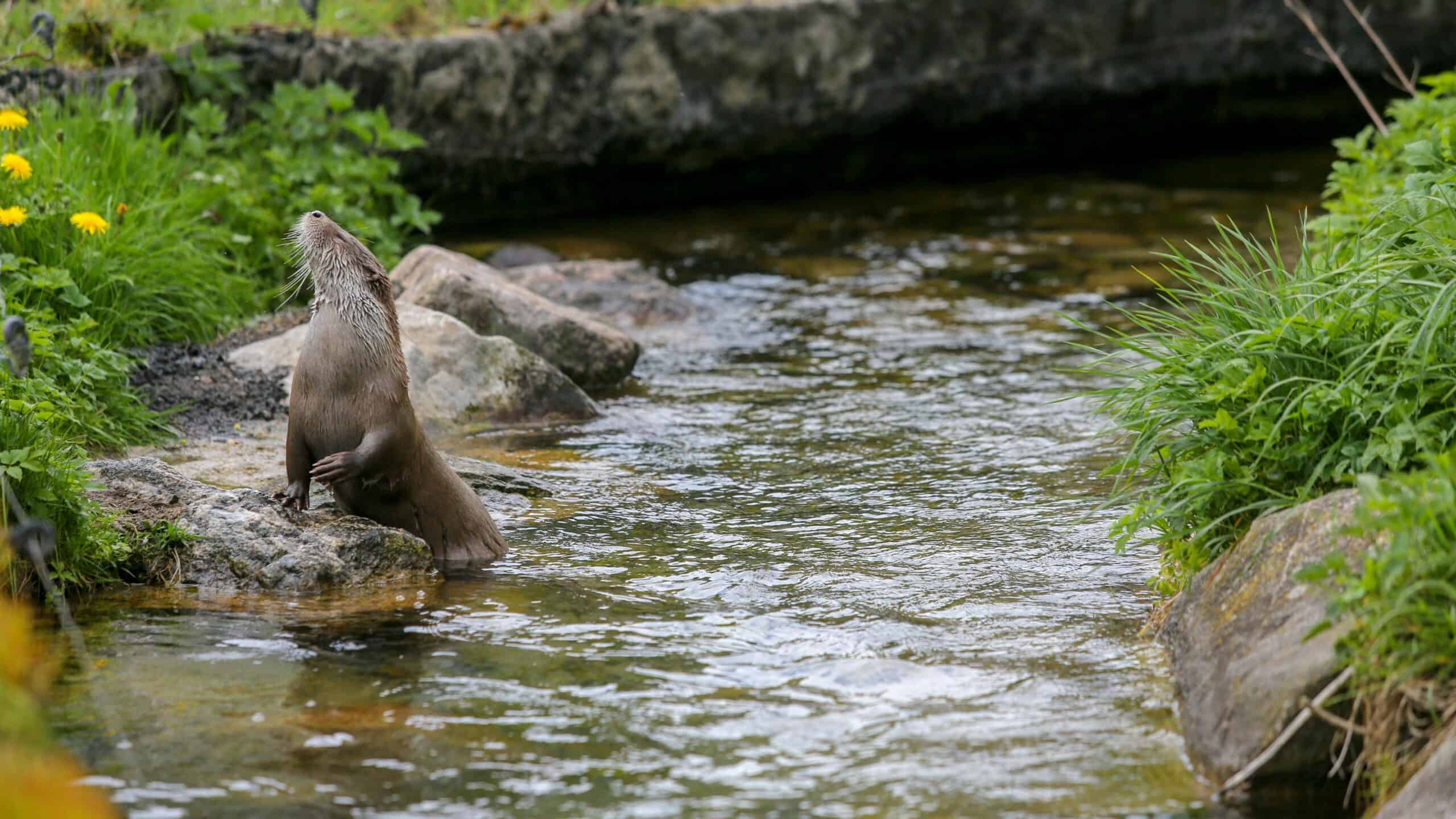
- River otters eat fish, crustaceans, amphibians, snakes, water insects, snails, worms, small mammals, birds, eggs, frogs, turtles, and aquatic invertebrates.
- As apex predators, they help control smaller animal populations, which maintains the balance of their ecosystem.
- River otters spend two-thirds of their time on land.
- They are found along rivers, streams, lakes, estuaries, coastal bogs, and large marine waterways.
- River otters can dive to a depth of 60 feet and hold their breath for up to 8 minutes.
- River otters can hold their breath for up to 8 minutes while underwater.
Facts About Sea Otters
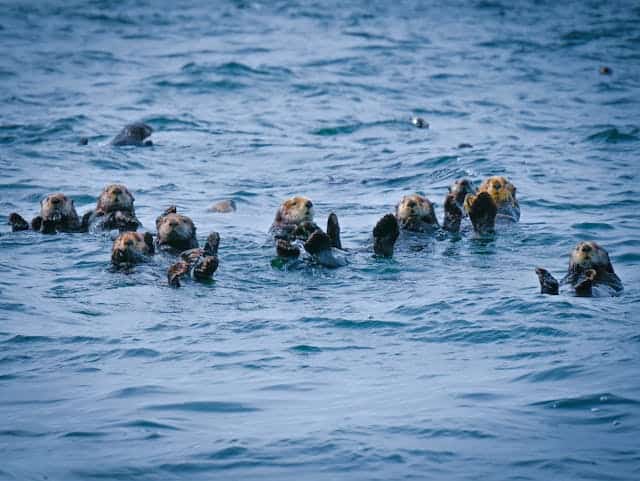
- Sea otters are the smallest marine mammals in the world. They can grow up to 4 feet long and weigh between 30 and 100 pounds.
- They live on rocky shores, in kelp forests, and in estuaries along the Pacific coasts of North America and Asia, from Japan to Alaska and down to California.
- Sea otters can swim at up to 5.6 miles per hour, hold their breath for up to 5 minutes, and dive to depths of up to 330 feet.
- They often float at the water’s surface to nap, entangling themselves in seaweed to stay put, and even holding hands while resting in groups to keep from drifting apart.
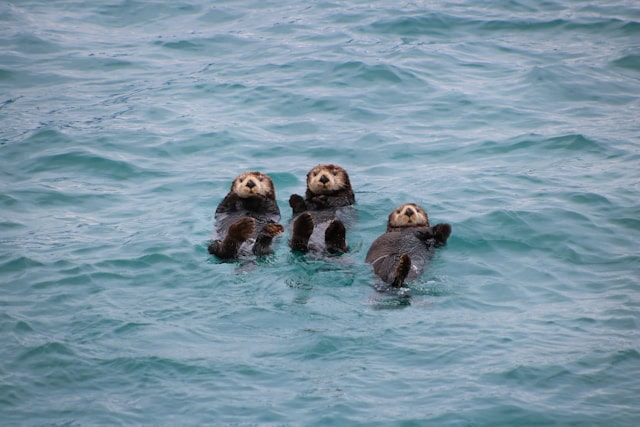
- While floating on their backs, sea otters place a rock on their chest and use it as a tool to help them open clams, mussels, or other shellfish. They also eat fish, crawfish, sea urchins, crabs, and aquatic plants, and occasionally they eat small mammals, birds, and rodents.
- Sea otters help control sea urchin populations, preventing kelp forests from being overgrazed and keeping their ecosystem healthy.
- Sea otters have an excellent sense of smell and sensitive whiskers, which help them locate food.
- They don’t have a blubber layer to protect them from the cold, but their dark brown fur is dense and water-resistant, providing insulation. They also spend a lot of time grooming and conditioning their fur to trap heat and air next to their skin.
- They are very vocal and communicate using chirps, growls, and whistles. They also use body language to send messages.
- They are the only otters to give birth in the water. Mothers cuddle their pups on their chests while floating on their backs to nurse and groom them and to keep their fur clean and free of parasites.
- Sea otters were hunted for their fur to the point of near extinction, but even when conservation efforts have helped increase their populations in some areas, they remain an endangered species.
Books About Otters
These are some of my favorite books about otters. If you don’t have any available, go to your local library or used bookstore, or use my links to get them from Amazon quickly. Get as many as you can, read them to your preschoolers, and fill your library and centers.
- Good Night, Little Sea Otter by Janet Halfmann. This sweet story uses luminous illustrations of the sea and follows a little sea otter who wants to say good night to all the creatures in the sea before she and her mom settle down to sleep in a bed of sea kelp.
- Sea Otters by Laura Marsh. This book uses beautiful photos and carefully leveled text to let children explore the fun-filled world of lovable otters through their aquatic habitats, learn how otters raise their young, and discover their curious, social natures.
- Peek, Otter! by Shira Evans. In this book, children will learn all about river otters and be introduced to vocabulary in concept groups, helping them make connections between words and expand their understanding of the world.
- Otters Love to Play by Jonathan London. This story follows a litter of baby river otters as they emerge from a den to chase one another, slide down a mudbank, jump into a pile of leaves, learn to swim, catch fish for dinner, and groom themselves through the seasons.
- What If There Were No Sea Otters? by Suzanne Slade. This book explains the importance of sea otters to the ocean ecosystem’s health and the difference their loss would make.
- Otters! by Hope Aicher. Using full-color photos and fun, interesting facts, this book teaches children about the fascinating world of otters.
- A Sea Otter to the Rescue by Thea Feldman. This incredible book tells the story of a sea otter that lived in an aquarium in California, how the mother rescued pups, taught them to look for crabs and open clam shells, and inspired a state law to protect the endangered species.
- Olivia Otter’s Journey by the River by Oliver Moonbean. This enchanting storybook teaches children about the importance of respect in a way that’s as entertaining as it is enlightening, through Olivia’s engaging escapades along the riverbank.
- Good Night, Little Sea Otter by Amanda Wood. This adorable tale features cute photographs and stylish illustrations to show how a little otter discovers that hugs can make a big difference.
- I Love You Like No Otter by Rose Rossner. This heartwarming story combines a warm message of love with beautifully illustrated animal families.
Pin It For Later
If you are in a rush and don’t have time to read the post and download the printable but want to save it for later, pin it to one of your Pinterest boards.
I feel like we, as educators and parents, have to do everything we can to help our preschoolers develop a lifelong desire to become defenders of the planet and its inhabitants so future generations can get to know and enjoy all existing species.
I hope you enjoy these ideas and that they help you have fun during the World Otter Day celebration with your preschoolers. To get the FREE pack, just click the link below and enter your information for an immediate download.
Be happy, safe, and creative. I wish you well.
Love,

P.S. Please let me know if any of these ideas worked for you, or if you think I need to add or replace something. My goal is to help you however I can.
Other Posts You Might Like: