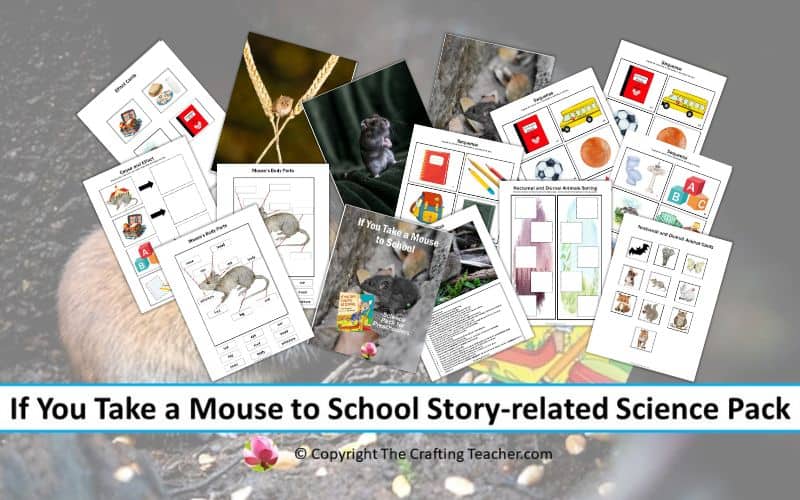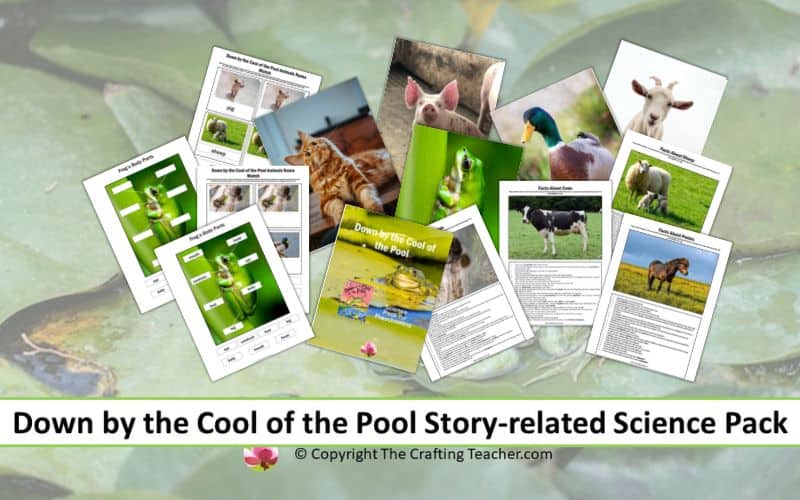
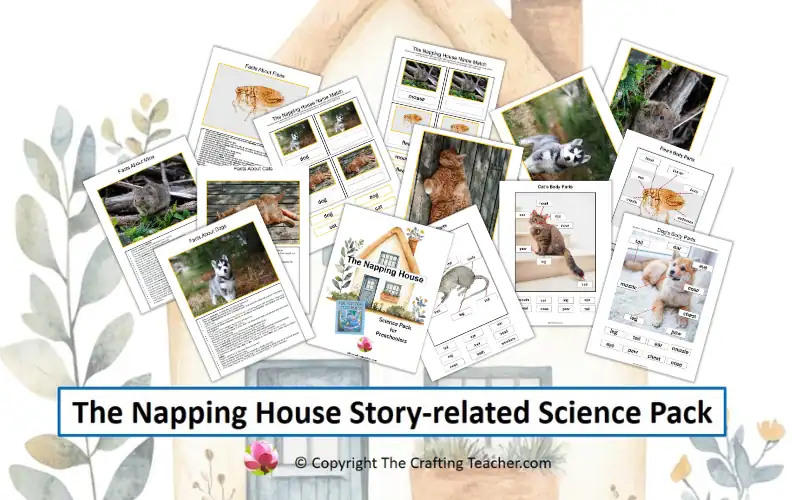
The Napping House Story-related Science Pack for Preschoolers
Affiliate Disclosure: “This post contains affiliate links, which means I receive a small commission, at no extra cost to you, if you make a purchase using those links.”
Using storybooks to teach science to preschoolers is an excellent way to help them discover the world around them and learn why and how things happen.
The Napping House by Audrey Wood is a classic children’s book designed to help children begin to understand patterns, using cumulative rhyme and illustrations.
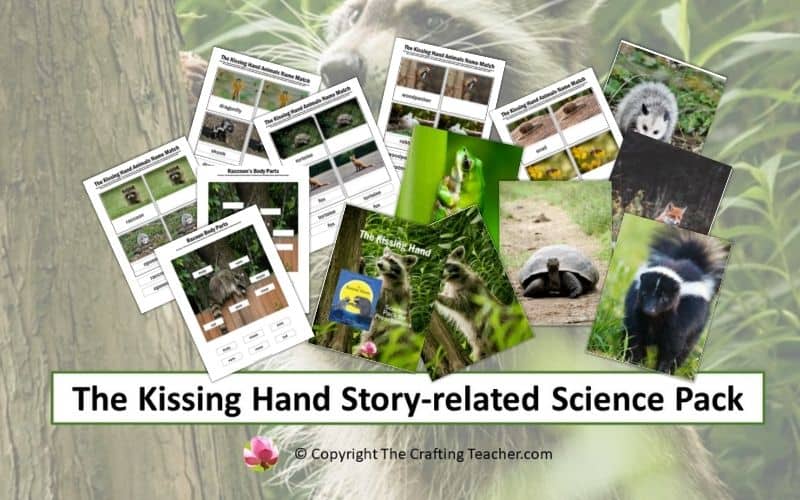
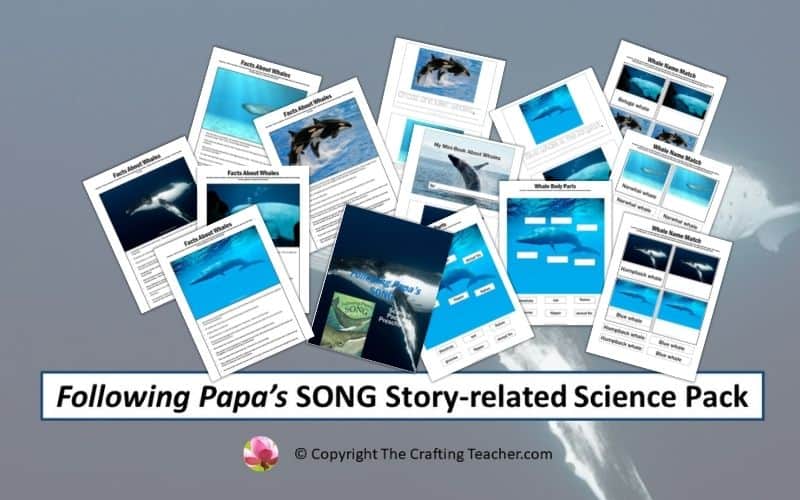
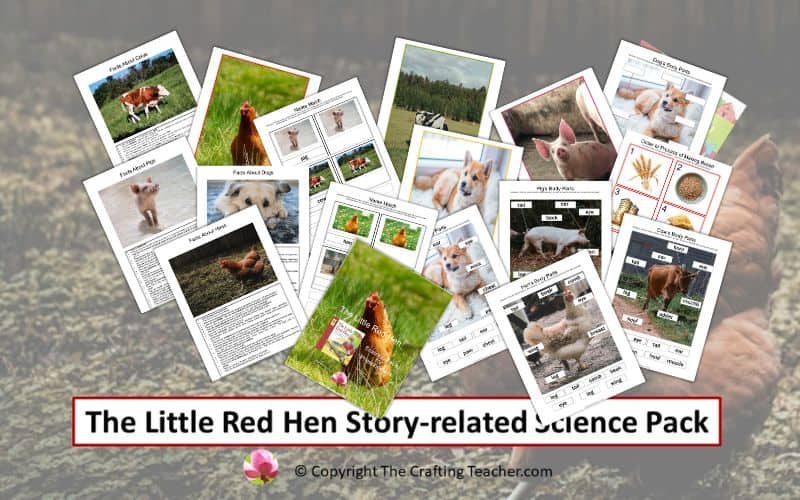
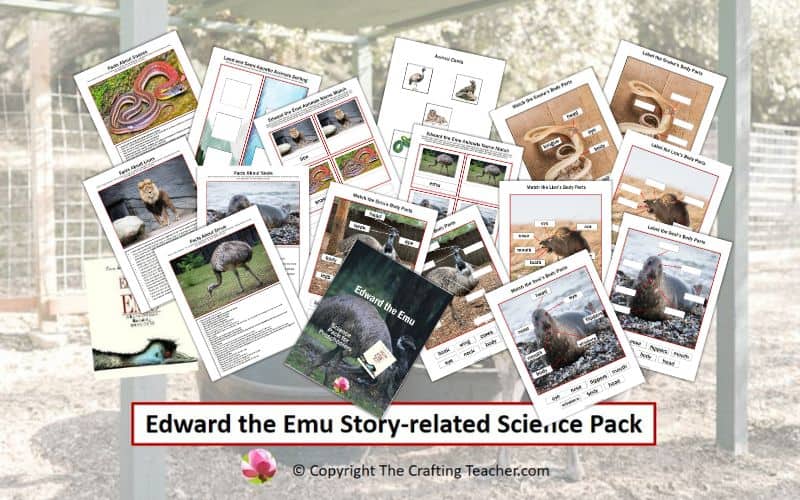
This FREE 18-page The Napping House Story-related Science Pack will help you teach them facts about the animals in the story. You can download it at the end of this post.
Benefits of Teaching Science to Preschoolers
Children are always trying to make sense of what they perceive, asking tons of questions to find the “why” behind things, and investigating how things work. We must take advantage of their natural curiosity and help them develop their scientific thinking.
Taking the time to introduce science to young children in a fun, interactive way offers many benefits. Some of them are:
- Help them use their interest in exploring and experimenting to establish a positive connection to science.
- Encourage them to love science and stay interested for many years, if not throughout their lives.
- Stimulate their scientific thinking and help them make sense of the world around them, why things happen, and how they work.
- Extend their vocabulary by promoting language development using scientific words, communication, teamwork and cooperation, reasoning, and problem-solving skills.
The Napping House Science Pack
This storybook can serve as a basis for several science activities. Below are some I like to use.
Facts About the Animals in the Story
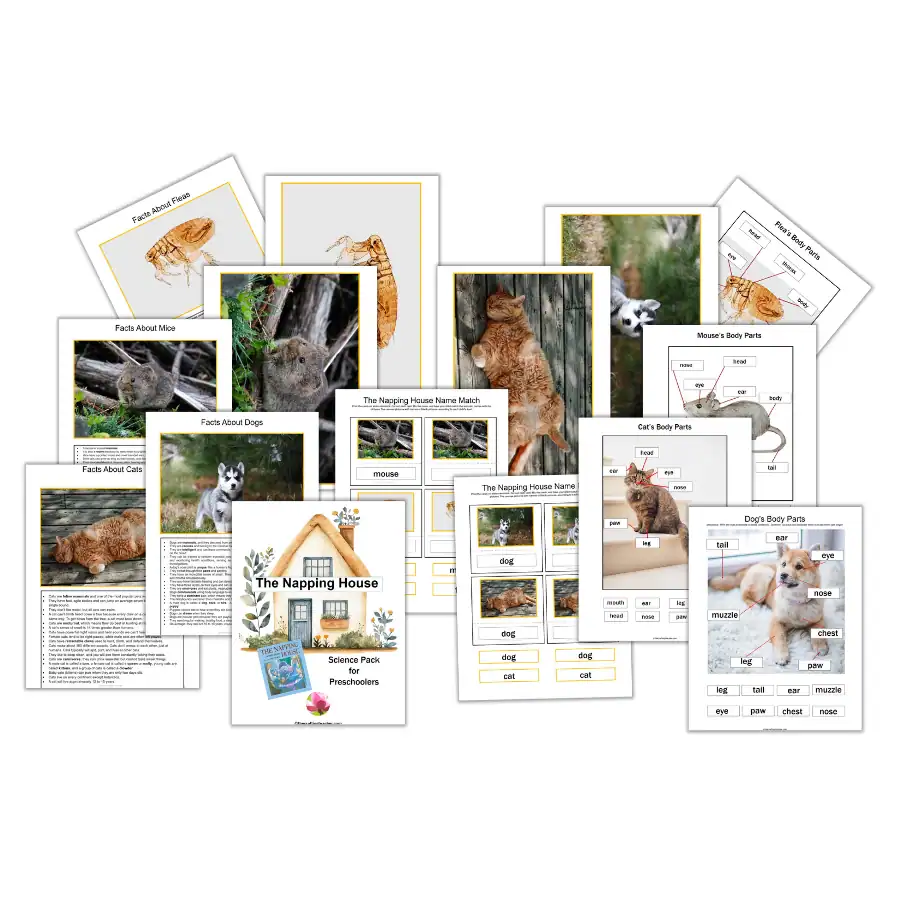
The Napping House pack includes poster cards featuring pictures of the animals in the story (dog, cat, mouse, and flea) and the most relevant information about them. You can print them out on white cardstock, place the information part behind the image, and laminate them. Then you can put them all together in a ring so they’re easy to use.
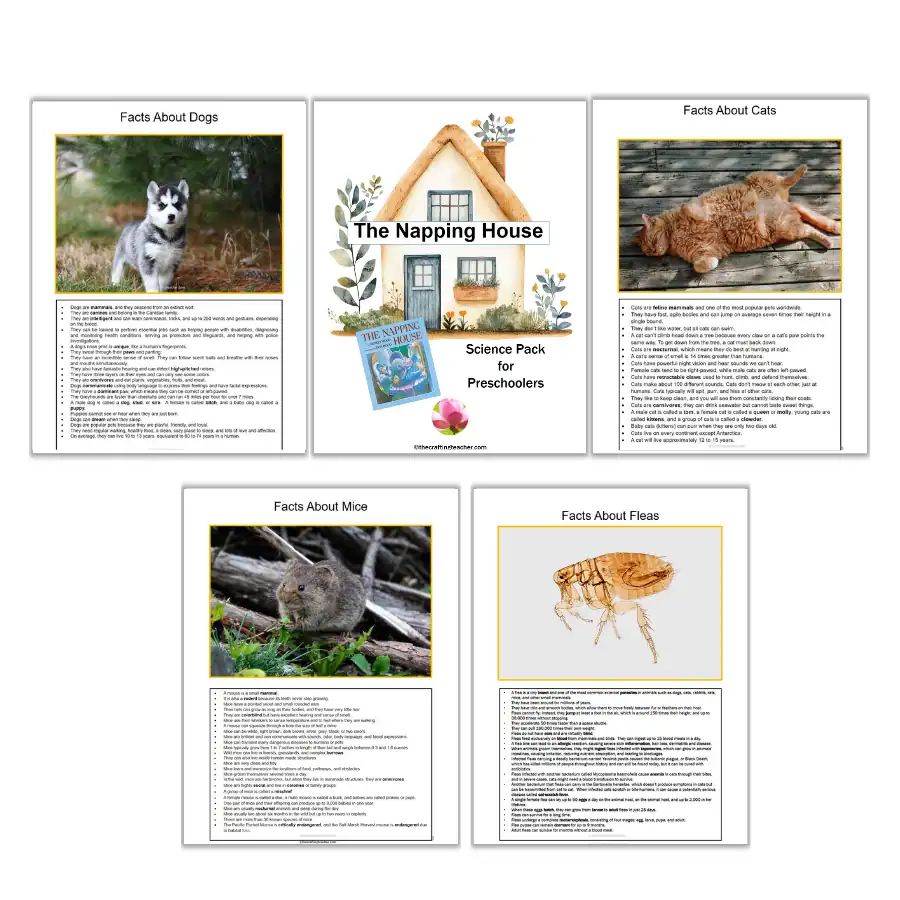
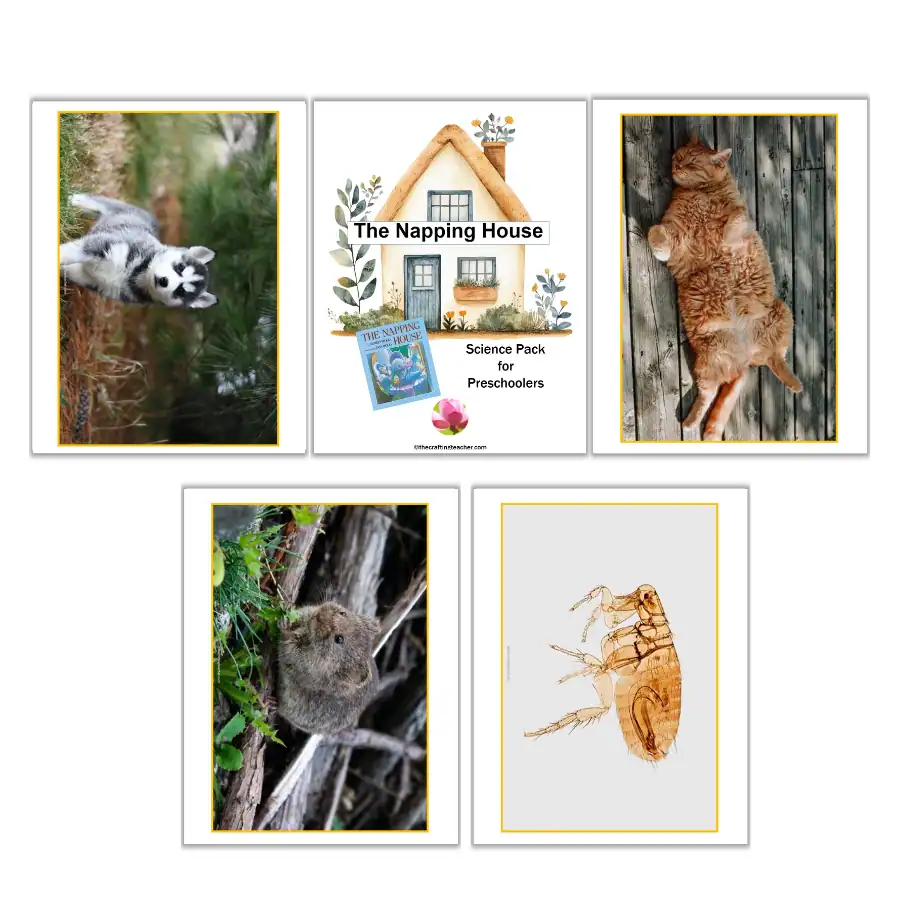
The Napping House also includes pictures of real animals. Ask them what animals are and what they know about them. Write everything they say on chart paper and review it later. You can also show them videos like the ones below.
Introduce each animal at a time. Discuss some of the characteristics of each of the animals. Help them understand the different ones and distinguish between them.
Facts About Dogs
- Dogs are mammals and descended from extinct wolves.
- They are intelligent and can learn commands, tricks, and up to 250 words and gestures, depending on the breed.
- They can be trained to perform essential jobs such as helping people with disabilities, diagnosing and monitoring health conditions, serving as protectors and lifeguards, and helping with police investigations.
- A dog’s nose print is unique, like a human’s fingerprints.
- They sweat through their paws and pant.
- They have an incredible sense of smell. They can follow scent trails and breathe through their noses and mouths at the same time.
- They also have fantastic hearing and can detect high-pitched noises.
- They have three layers of tissue over their eyes and can see only certain colors.
- They are omnivores and eat plants, vegetables, fruits, and meat.
- Dogs communicate through body language and facial expressions to express their feelings.
- They have a dominant paw, which means they can be right- or left-pawed.
- Greyhounds are faster than cheetahs and can run 45 miles per hour for over 7 miles.
- A male dog is called a dog, stud, or sire. A female is called bitch, and a baby dog is called a puppy.
- Puppies cannot see or hear when they are just born.
- Dogs can dream when they sleep.
- Dogs are popular pets because they are playful, friendly, and loyal.
- They need regular walking, healthy food, a clean, cozy place to sleep, and lots of love and affection.
- On average, they can live 10 to 13 years, equivalent to 60 to 74 years in a human.
Facts About Cats
- Cats are mammals and among the most popular pets worldwide.
- They have fast, agile bodies and can jump on average seven times their height in a single bound.
- They don’t like water, but all cats can swim.
- A cat can’t climb headfirst up a tree because every claw on a cat’s paw points the same way. To get down from the tree, a cat must back down.
- Cats are nocturnal, meaning they do best hunting at night.
- A cat’s sense of smell is 14 times greater than that of humans.
- Cats have powerful night vision and can hear sounds we can’t.
- Female cats tend to be right-pawed, while male cats are often left–pawed.
- Cats have retractable claws used to hunt, climb, and defend themselves.
- Cats make about 100 different sounds. Cats don’t meow at each other, just at humans. Cats typically will spit, purr, and hiss at other cats.
- They like to keep clean, and you will see them constantly licking their coats.
- Cats are carnivores; they can drink seawater but cannot taste sweet things.
- A male cat is called a tom; a female cat is called a queen or molly; young cats are called kittens; and a group of cats is called a clowder.
- Kittens can purr when they are only two days old.
- Cats live on every continent except Antarctica.
- A cat will live approximately 12 to 15 years.
If you want additional activities and ideas related to cats and the letter Cc, covering multiple domains, my 169-page C is for Cat Unit Pack is the perfect solution. This pack is perfect for engaging your children in hands-on learning that incorporates literacy, math, science, fine motor skills, and more, making it an excellent addition to any preschool or homeschool curriculum. You can check it out HERE.
Facts About Mice
- A mouse is a small mammal.
- It is also a rodent because its teeth never stop growing.
- Mice have a pointed snout and small, rounded ears.
- Their tails can grow as long as their bodies, and they have very little hair.
- They are colorblind but have excellent hearing and a sense of smell.
- Mice use their whiskers to sense temperature and to feel where they are walking.
- A mouse can squeeze through a hole the size of half a dime.
- Mice can be white, light brown, dark brown, silver, gray, black, or two colors.
- Mice are brilliant and can communicate with sounds, odor, body language, and facial expressions.
- Mice can transmit many dangerous diseases to humans or pets.
- Mice typically grow from 1 to 7 inches in length, including their tail, and weigh between 0.3 and 1.6 ounces.
- Wild mice can live in forests, grasslands, and complex burrows.
- They can also live inside human-made structures.
- Mice are very clean and tidy.
- Mice learn and memorize the locations of food, pathways, and obstacles.
- Mice groom themselves several times a day.
- In the wild, mice are herbivores, but when they live in manmade structures, they are omnivores.
- Mice are highly social and live in colonies or family groups.
- A group of mice is called a mischief.
- A female mouse is called a doe, a male mouse is called a buck, and babies are called pinkies or pups.
- One pair of mice and their offspring can produce up to 8,000 babies in one year.
- Mice are usually nocturnal animals and sleep during the day.
- Mice usually live about six months in the wild but up to two years in captivity.
- More than 30 mouse species are known.
- The Pacific Pocket Mouse is critically endangered, and the Salt Marsh Harvest Mouse is endangered due to habitat loss.
If you want additional activities and ideas related to mice and the letter Mm covering multiple domains, my 141-page M is for Mouse Unit Pack will do the trick. You can check it out HERE.
Facts About Fleas
- A flea is a tiny insect and one of the most common external parasites in animals such as dogs, cats, rabbits, rats, mice, and other small mammals.
- They have been around for millions of years.
- They have thin, smooth bodies that let them move freely through their host’s fur or feathers.
- Fleas cannot fly; instead, they jump at least a foot in the air, which is around 150 times their height, and up to 30,000 times without stopping.
- They accelerate 50 times faster than a space shuttle.
- They can pull 160,000 times their own weight.
- Fleas have no ears and are virtually blind.
- Fleas feed exclusively on blood from mammals and birds. They can ingest up to 15 blood meals in a day.
- A flea bite can trigger an allergic reaction, causing severe skin inflammation, hair loss, dermatitis, and other symptoms.
- When animals groom themselves, they might ingest fleas infected with tapeworms, which can grow in animals’ intestines, causing irritation, reducing nutrient absorption, and leading to blockages.
- Infected fleas carrying a deadly bacterium named Yersinia pestis caused the bubonic plague, or Black Death, which has killed millions of people throughout history and can still be found today, but it can be cured with antibiotics.
- Fleas infected with another bacterium called Mycoplasma haemofelis cause anemia in cats through their bites, and in severe cases, cats might need a blood transfusion to survive.
- Another bacterium that fleas can carry is Bartonella henselae, which doesn’t produce symptoms in cats but can be transmitted from cat to cat. When infected cats scratch or bite humans, it can cause a potentially serious disease called cat–scratch fever.
- A single female flea can lay up to 50 eggs a day on the animal host, on the animal host, and up to 2,000 in her lifetime.
- When these eggs hatch, they can grow from larvae to adult fleas in just 28 days.
- Fleas can survive for a long time.
- Fleas undergo a complete metamorphosis, consisting of four stages: egg, larva, pupa, and adult.
- Flea pupae can remain dormant for up to 9 months.
- Adult fleas can survive for months without a blood meal.
Matching The Napping House Animals’ Body Parts
Preschoolers can learn about some animal body parts and their functions, which will help them see the differences and similarities among them.
The Napping House pack includes two versions of each animal body parts activity, one with names and another without. Select the option most appropriate for each child, based on his or her developmental level.
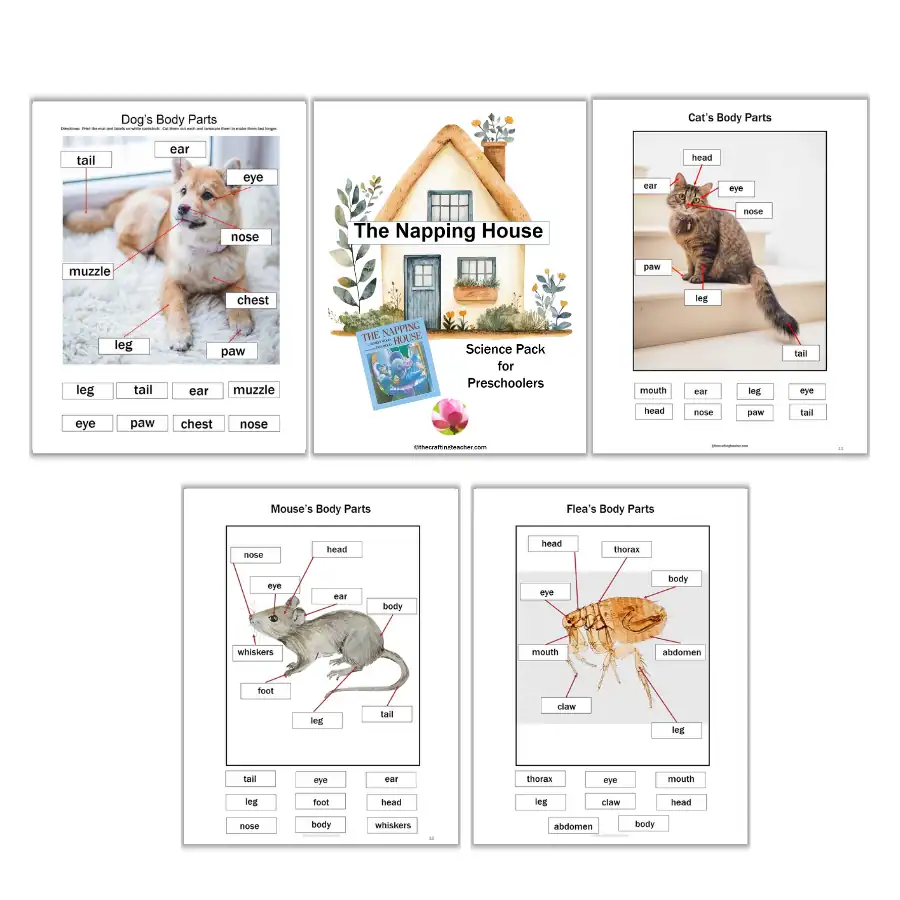
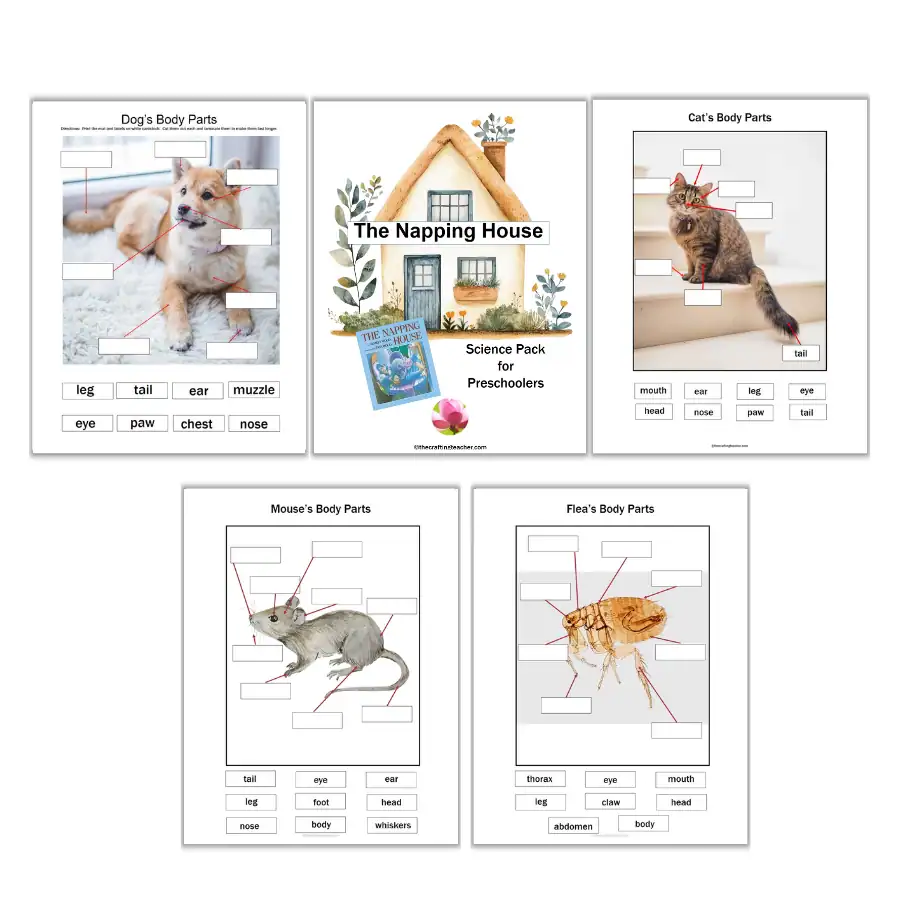
Print the pictures and tags from The Napping House pack on white cardstock, then laminate them for durability. You can add Velcro to the tags if you want. Teach the children the names of these animals’ body parts and what each part is for, then invite them to practice matching the names to each animal’s body parts.
The Napping House Animal Name Match
The Napping House pack includes cards with the names of the animals that appear in the story, in two versions: one with the animal’s name and another blank, to give you options based on your children’s level.
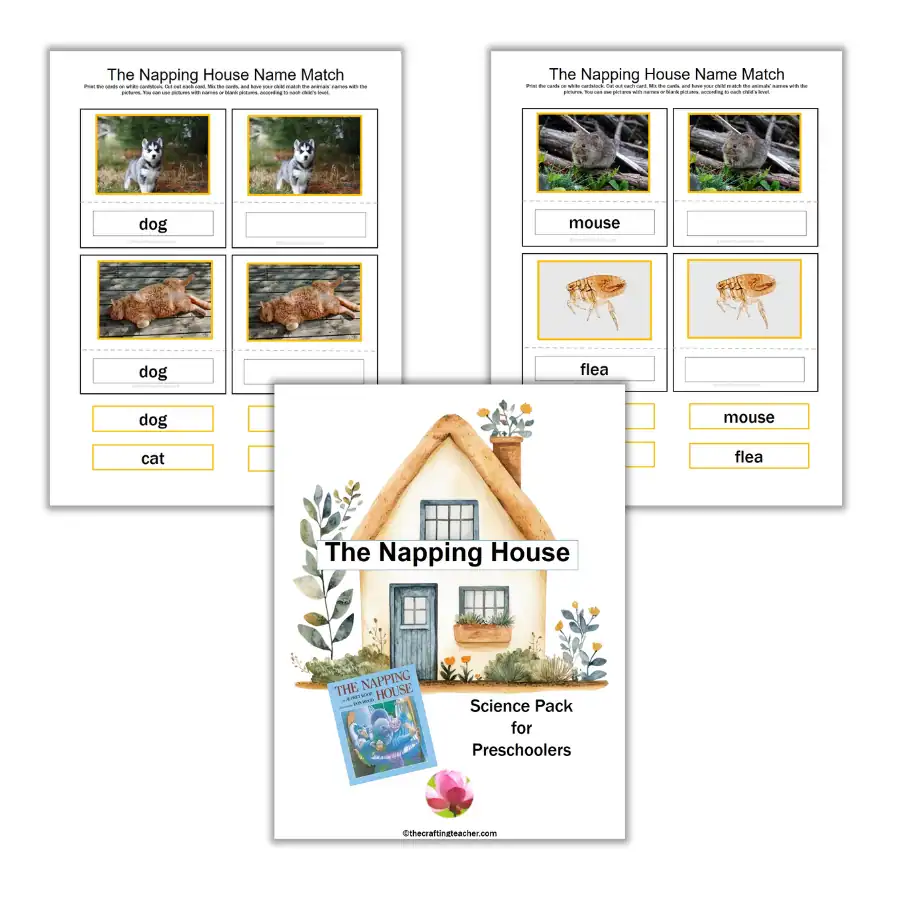
Print the pages in white cardstock, cut out the cards and labels, and then laminate them for durability. You can add Velcro to the tags if you want. Review the animal names with the children, then invite them to practice matching the names to each animal card.
Other Activities:
You can use science to teach across all domains because it easily relates to literacy, math, and art. So, encourage your children to ask questions, observe natural phenomena, experiment, and explore. Most importantly, give them plenty of opportunities to do just that by offering fun, interactive, and hands-on experiences.
- Invite a veterinarian or zookeeper to the class to talk about the animals in the story.
- Introduce your student to animals that sleep during the day and at night. Discuss animals that sleep during the day (nocturnal) and animals that sleep at night (diurnal) using the pictures provided.
- Discuss the change in the color of the illustrations as everyone in the house wakes (blue when they are sleeping) and yellow when they wake up. Ask them why they think the colors change.
- Use the natural phenomena that occur at the beginning of the story (rain) and the one at the end (sun). Use the opportunity to discuss the characteristics and differences in the landscape.
- Use the opportunity to teach your children how rain is produced, the benefits it brings, and why it is important not to go out in the rain if they hear thunder or see lightning.
- Talk about what the sun is, its relation to Planet Earth, what benefits it brings, and why we have to protect ourselves from its rays when we are outside.
- Encourage the children to act out the story.
Related Books
As usual, I like to include books in all my activities. These are some of the most exciting books you can find at your local library, used bookstore, and on Amazon. For fast access, click the titles; my links will take you directly to the book on Amazon.
- Berlioz the Bear by Jan Brett. This book uses glorious illustrations to invite the eye to linger over exquisite details and humorous nuances that enhance the story.
- Joseph Had a Little Overcoat by Simms Taback. As children turn the pages of this book, they can use the die-cut holes to guess what Joseph will be making next from his amazing overcoat, while they laugh at the bold, cheerful artwork and learn that you can always make something, even out of nothing.
- This Is The House That Jack Built by Simms Taback. In this story, the author brings his distinctive humor and creativity to the beloved story of Jack and the house that he built.
- If I Build a House by Chris Van Dusen is a joyful, imaginative story with vibrant, retro illustrations and delightfully rhyming text that children will enjoy.
- The Turnip by Pierre Morgan tells the story of a turnip that grows so enormous that the whole family, including the dog, cat, and mouse, is needed to pull it up.
Pin It For Later
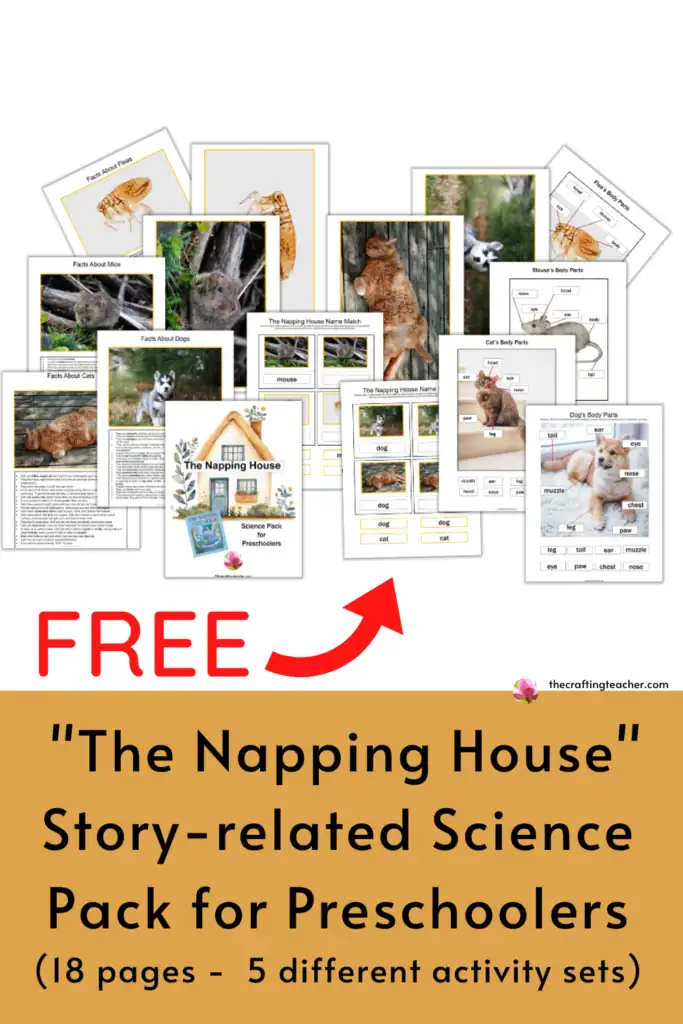
If you are in a rush and don’t have time to read the post and download the printable, but want to save it, pin it to your science or another board on Pinterest for later.
You can use these ideas on their own, but I invite you to combine them with the activities I included in the literacy and math packs I created for this fun story, The Napping House, to take advantage of the opportunities this book offers. You can find the links below:
Remember that you should not divorce literacy from math, science, or any other domain to achieve a more comprehensive educational process. They intermingle and complement each other.
Remember to download your FREE The Napping House Science pack. Click on the link below and type your email to get started.
Be happy, safe, and creative. I wish you well.
Love,

P.S. Let me know if these activities work for you. If you want to see an article or a printable on making something specific, please let me know, and I will try to create it for you.
Other Posts You Might Like: