The Mitten Story-related Science Pack for Preschoolers
Affiliate Disclosure: “This post contains affiliate links, which means I receive a small commission, at no extra cost to you, if you make a purchase using those links.”
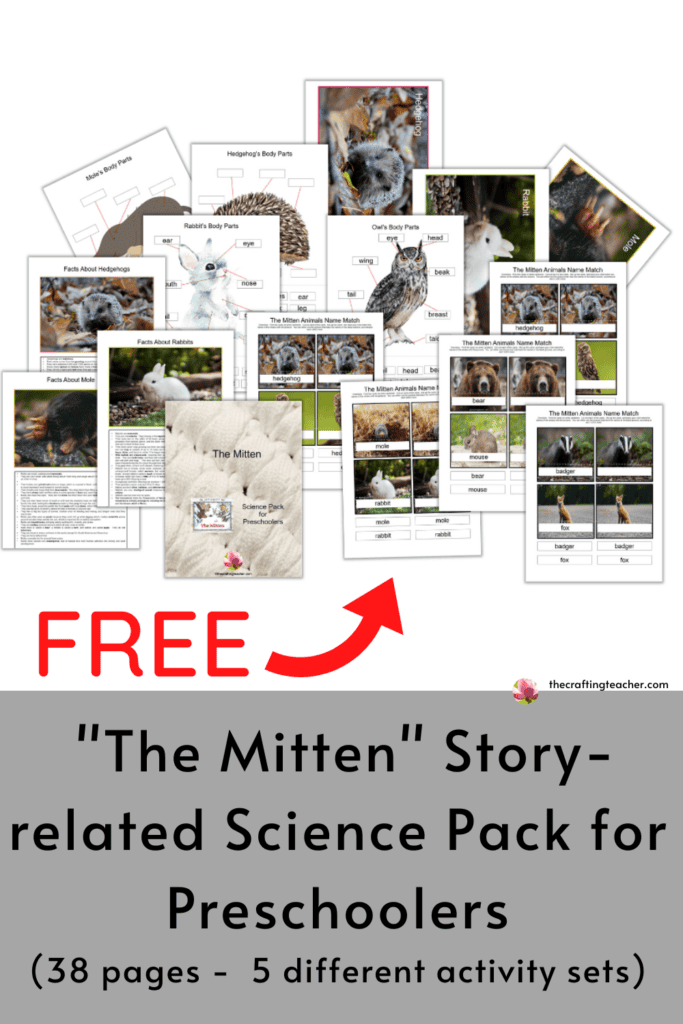
The Mitten Story-related Science Pack is FREE and will help you teach your preschoolers about the animals in the story. Using storybooks to teach science is a fun way to help children discover the world around them and learn why and how things happen.
The Mitten, rewritten by Jan Brett, is a Ukrainian folk story that tells the story of Nicki, who loses one of his new white mittens, and how several forest animals, as they try to find shelter on a cold winter day, go inside, stretching it until it is bigger than its matching pair.
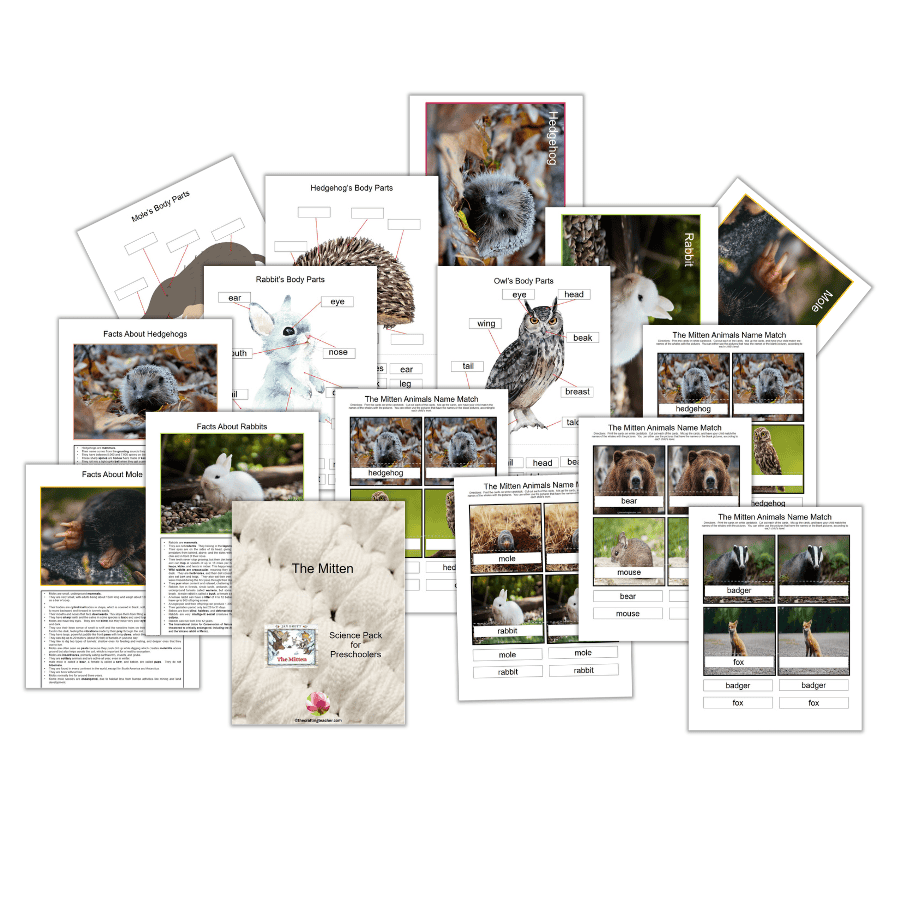
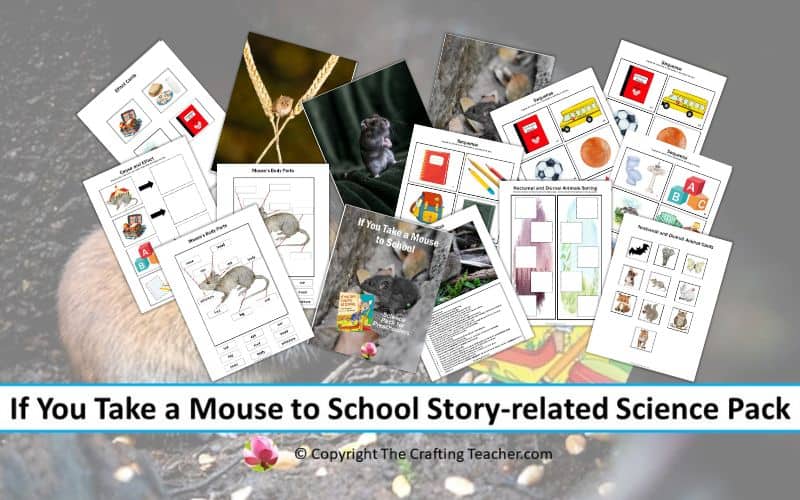
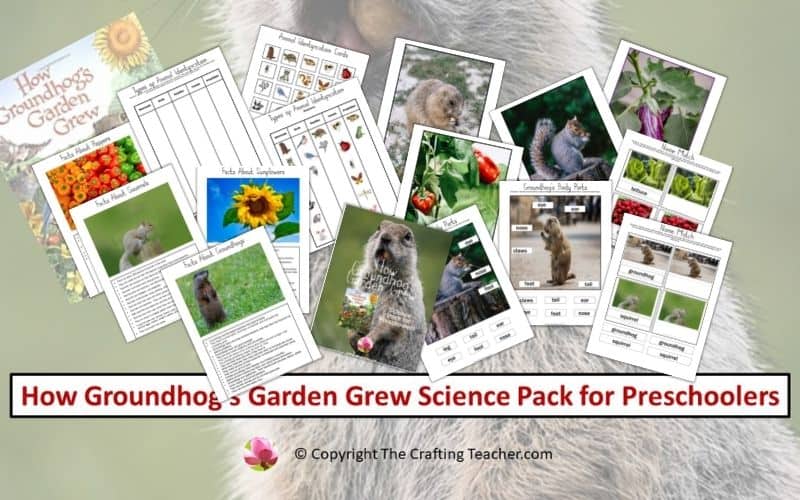
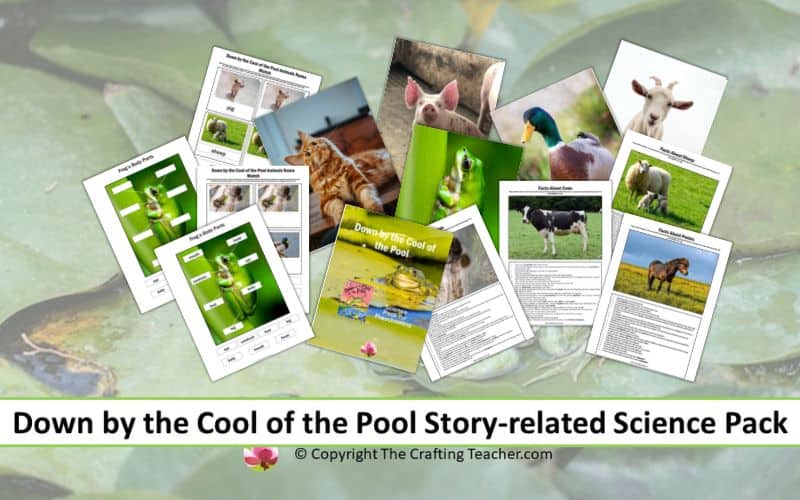
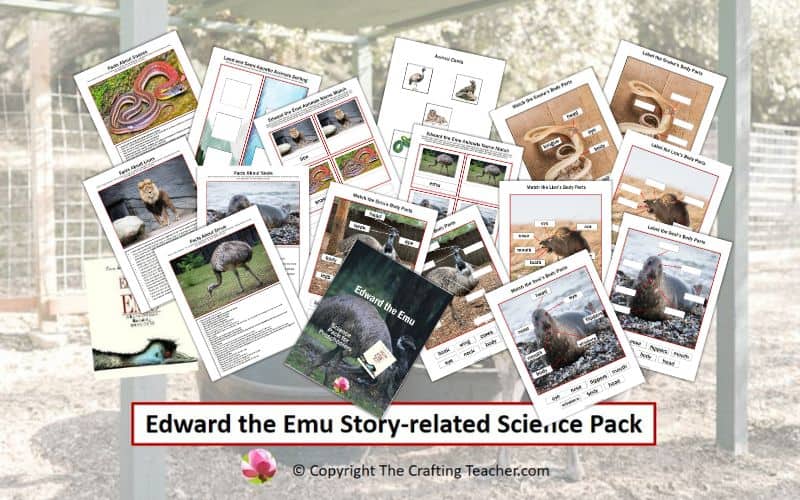
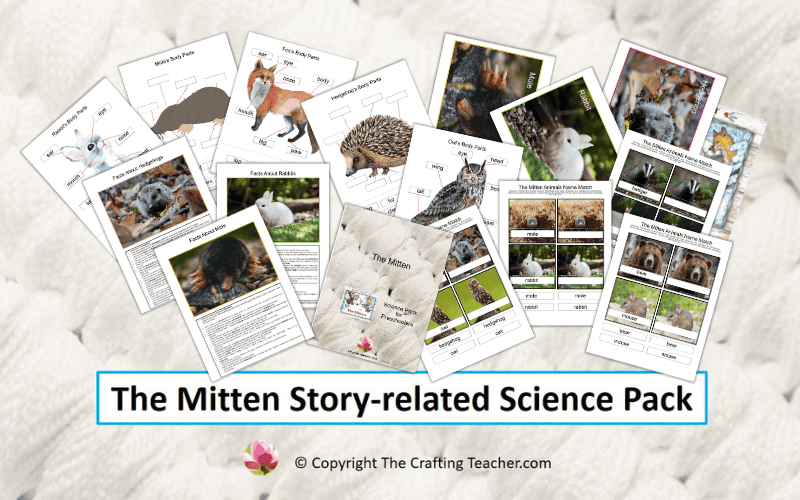
The Mitten 38-page Story-related Science Pack includes five different activity sets, and you can download it at the end of this post.
The Mitten Science Pack
This pack will help you teach your preschoolers about the types and individual characteristics of the animals in the story, using children’s natural curiosity to help them develop their scientific thinking.
Using the interactive activities in this pack will also bring them many benefits, such as:
- Encourage the children to explore and experiment to establish a positive connection to science.
- Motivate them to love science and stay interested for many years, if not throughout their lives.
- Stimulate their scientific thinking and help them make sense of the world around them, why things happen, and how they work.
- Extend their vocabulary by promoting language development through scientific words, communication, teamwork and cooperation, reasoning, and problem-solving.
- Encourage your children to ask questions, observe various natural phenomena, experiment, and explore.
This storybook can serve as a basis for many science activities. Below are some I like to use.
Facts About the Animals in the Story
I included poster cards with the animal pictures and the most relevant information as part of The Mitten Science pack. You can print them out on white cardstock, place the information part behind the image, and laminate them. Then keep them separate, or put them all together in a ring so they’re handy.
I also included a set of real pictures to give the children a clearer visual of how each animal looks and the features that distinguish them.
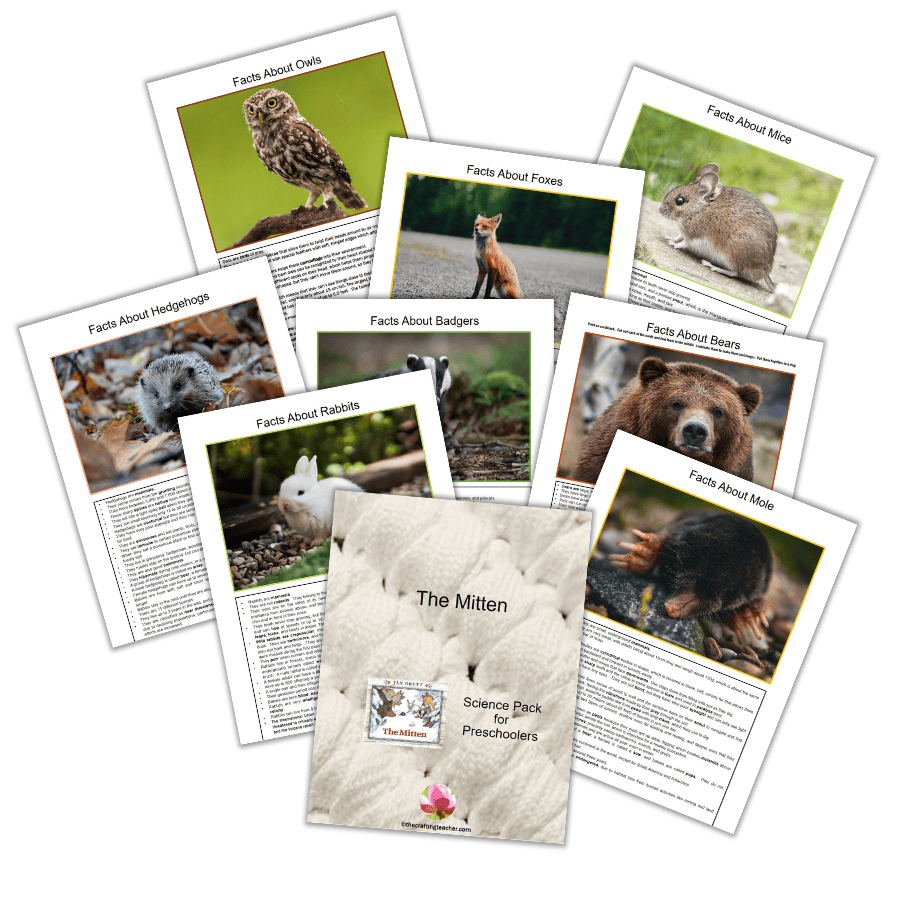
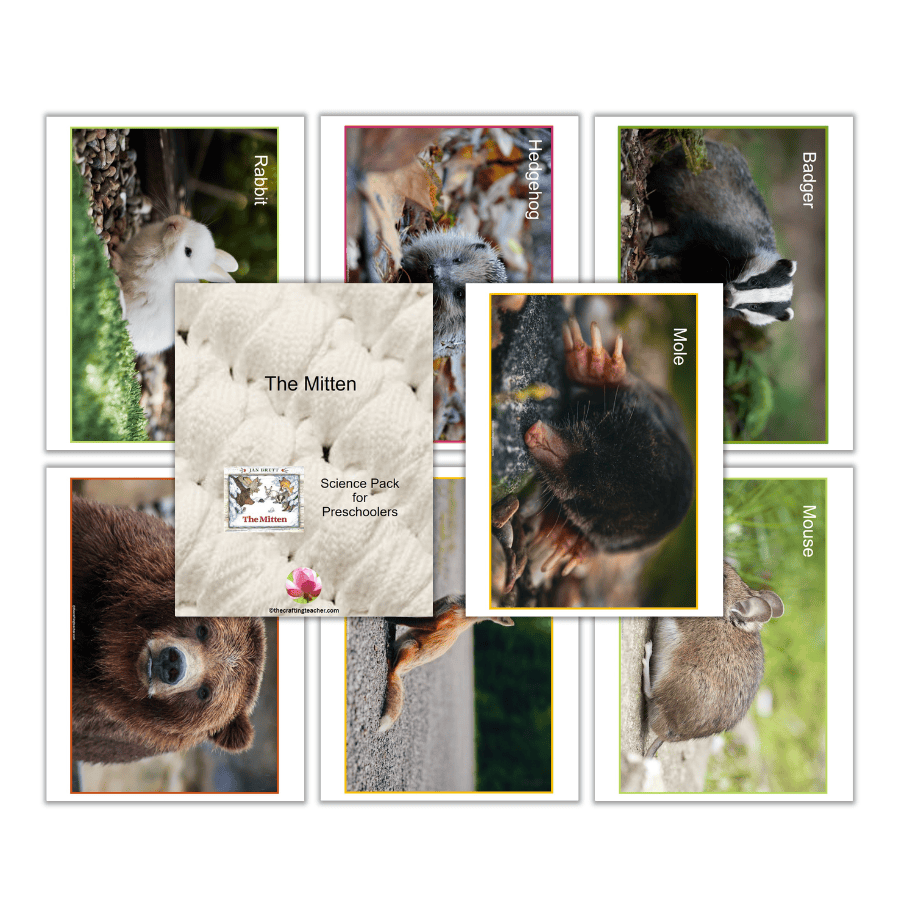
Introduce each animal at a time using the pictures included in the pack. Ask them what animals those are and what they know about them. Write everything they say on chart paper and review it later.
Talk about the characteristics that distinguish each animal using the fact cards to help you. Don’t forget to emphasize that, while they are pretty and friendly in the story, they are wild animals capable of hurting with kickers, prickles, talons, diggers, and teeth, which make them dangerous.
Children must respect wildlife, love it from a distance, and understand the significant differences between wild and domesticated animals.
You can also show the children the videos below to help them visualize more clearly how the animals look and behave in their environment.
Facts About Moles
- Moles are underground mammals.
- They are small, with adults about 15cm long and weighing about 130g, about the same as a bar of soap.
- Their bodies are cylindrical and covered in black, soft, velvety fur that lets them move easily backward and forward through tunnels.
- Their mouths and noses face downwards. This stops them from filling with soil as they dig.
- Moles have tiny eyes. They are not blind, but their eyesight is very poor, and they can only see light and dark.
- They have sharp teeth, and the saliva in some species is toxic and paralyzes prey.
- They use their keen sense of smell and the sensitive hairs on their snout to navigate and find food in the dark, feeling vibrations made by their prey through the soil.
- They have large, powerful, paddle-like front paws with long claws that they use to dig.
- They can dig up to 20 meters (about 65 feet) of tunnels in just one day.
- They like to dig two types of tunnels: shallow ones for feeding and resting, and deeper ones for living.
- Moles are often seen as pests because they push dirt up while digging, creating molehills above ground, but this also helps aerate the soil, which is vital for a healthy ecosystem.
- Moles are insectivores that primarily eat earthworms, insects, and grubs.
- They are solitary animals and active year-round, even in winter.
- A male mole is called a boar, a female is called a sow, and babies are called pups. They do not hibernate.
- They are found on every continent except South America and Antarctica.
- They are born without hair.
- They usually live for around three years.
- Some mole species are endangered because of habitat loss from human activities such as mining and land development.
Facts About Wild Rabbits
- Rabbits are mammals.
- They are not rodents. They belong to the lagomorph family, which includes hares and pikas.
- Their eyes are on the sides of their heads, giving them nearly a whole 360-degree field of vision to see predators from behind, above, and the sides without turning their heads, but they have a blind spot under their chin and in front of their nose.
- Their teeth never stop growing, but their diet helps wear them down naturally.
- They are speedy and can hop up to 18 miles per hour.
- When they are happy, they are capable of giant leaps, kicks, and twists in midair. This happy leap is known as a binky.
- Wild rabbits are crepuscular, meaning they are most active during the twilight hours of dawn and dusk.
- They are herbivores, and their diet consists mainly of grasses, leaves, and other plants, but they also eat bark and twigs.
- They also eat their own droppings, called cecotropes, to absorb nutrients that were missed during the first pass through their digestive system.
- They purr when content and relaxed, chattering their teeth softly.
- Rabbits live in forests, shrublands, wetlands, and deserts of every continent except Antarctica, in underground tunnels called warrens, but some species use other animals’ burrows or hide under brush.
- A male rabbit is called a buck, a female a doe, and a baby a kit or kitten.
- A female rabbit can have a litter of 4 to 12 babies, can become pregnant again the very next day, and have up to 800 offspring a year.
- A single pair and their offspring can produce 1,300 rabbits within 18 months.
- Their gestation period only lasts 28 to 31 days.
- Babies are born blind, hairless, and defenseless, so they must stay in the nest to survive.
- Rabbits are brilliant social creatures that always choose to live in groups called a herd or colony.
- Rabbits can live from 8 to 12 years.
- There are 63 wild rabbit species.
- The International Union for Conservation of Nature (IUCN) lists 22 of those species as near threatened to critically endangered, including the Amami rabbit in Japan, the Riverine rabbit in South Africa, and the Volcano rabbit in Mexico.
Facts About Hedgehogs
- Hedgehogs are mammals.
- Their name comes from the grunting sounds they make when foraging for food in hedges.
- They have between 5,000 and 7,000 spines on their backs and sides, but none on their faces, chests, or feet.
- These sharp spines are hollow hairs made of keratin, just like our hair and nails.
- They roll into a tight, spiky ball when they get scared, protecting their soft belly from predators.
- They are small, reaching only 14 to 30 centimeters long, and their tails can add 1 to 6 centimeters.
- Hedgehogs are nocturnal, but they are sometimes active during the day, especially after it rains.
- They have very poor eyesight and rely on their incredible sense of smell and hearing to hunt for food.
- They are omnivores and eat plants, fruits, roots, insects, snails, lizards, frogs, eggs, snakes, and mice.
- They are immune to certain poisonous plants.
- When they eat a poisonous plant or find a new smell, they lick and bite it, then cover their spines with a foamy spit.
- They live in grasslands, hedgerows, woodlands, and meadows across Europe, Asia, and Africa.
- They mainly stay on the ground but can also climb trees.
- They are also good swimmers.
- They hibernate during cold winters, in a nest of leaves.
- A group of hedgehogs is called an array.
- A male hedgehog is called a boar, a female is called a sow, and a baby is called a hoglet.
- Female hedgehogs can have up to seven hoglets in one litter.
- Babies are born with soft and short spines, which harden soon after, becoming stiffer, sharper, and longer.
- Babies stay in the nest until they are about three weeks old.
- There are 15 different species.
- They live up to 3 years in the wild and up to 10 years in captivity with excellent care.
- The International Union for Conservation of Nature (IUCN) classifies them as near threatened because their populations are declining, particularly in Europe. They could become endangered unless conservation efforts increase.
Facts About Owls
- Owls are birds of prey.
- They have 14 neck vertebrae, which lets them twist their heads up to 270 degrees.
- Their bodies are covered with special feathers with soft, fringed edges, which allow them to fly without making a sound.
- The color of their feathers helps them camouflage into their environment.
- They have a flat face, and barn owls can be recognized by their heart-shaped face.
- Their ears are often in different spots on their head, which helps them pinpoint the exact location of a sound.
- Their eyes are big and tube-shaped, but they can’t move them; they have to turn their whole head to look.
- They are farsighted, meaning they can’t see close-up clearly.
- The smallest is the Elf Owl, which is only about 15 cm tall. The largest is the Blakiston’s fish owl, which can weigh up to 10.1 lbs and has a wingspan of up to 6.5 feet. The tallest is the Great Grey Owl, which reaches up to 27 inches in length.
- Not all owls hoot. Some make hissing or other sounds.
- They are nocturnal.
- Owls have powerful talons or claws, which help them catch and kill prey.
- Most owls are carnivores and hunt insects, small mammals, and other birds, but some species hunt fish.
- They can’t chew; they either swallow their prey whole or tear it into pieces.
- A group of owls is called a parliament.
- Owls don’t build nests. Most of them find an old nest left by another bird, a hole in a tree, or a natural shelter to live in.
- A male owl is called a cock, while a female owl is called a hen, and a baby is called an owlet.
- Babies are born with fluffy down feathers and are cared for by their parents.
- There are around 200 different owl species.
- Many species are listed as vulnerable, endangered, or critically endangered by the International Union for Conservation of Nature (IUCN) because of habitat loss, climate change, and competition from other species.
Facts About Badgers
- Badgers are mammals.
- They are part of the Mustelidae family, along with otters, ferrets, weasels, wolverines, and polecats.
- They have stocky bodies covered in greyish fur, with black-and-white areas underneath.
- Their legs are short with long claws that make them excellent diggers.
- They have an elongated head with small ears, a strong jaw, and a distinctive black-and-white face.
- They have poor eyesight and hearing, but their sense of smell is about 800 times better than a human’s, helping them find food.
- They can grow nearly a meter long and weigh up to 24 lbs. The largest is the European badger.
- They can reach up to 30 km/h (19 mph) for a short period.
- Most badgers are omnivores, eating a range of foods including insects, earthworms, eggs, grubs, reptiles, birds, hedgehogs, roots, and fruit.
- The honey badger has a reputation as one of the most fearless and vicious of all mammals and can kill and eat poisonous snakes.
- Badgers are found in North America, Ireland, Great Britain, Japan, China, Indonesia, Malaysia, sub-Saharan Africa, the Arabian Desert, Turkmenistan, India, and most of Europe.
- Badgers are nocturnal, meaning they sleep during the day and are active at night.
- They dig burrows underground and live in a sett, often a maze of tunnels and chambers.
- They are very clean, change their bedding of grass or leaves daily, and don’t use their living areas as bathrooms.
- They are social animals and live in groups of up to 15 called a cete or clan, and comfort their young during thunderstorms.
- A male badger is called a boar, the female is called a sow, and a baby badger is called a cub.
- Their babies are born blind and stay with their mothers for months.
- They don’t truly hibernate, but they can enter a deep sleep called torpor in cold weather, during which their heartbeat and temperature drop.
- There are 11 species of badger, grouped into three types: the Eurasian badger, the Honey badger, and the American badger.
- Some species, especially the American badger, are endangered in some areas because of threats such as habitat loss and vehicle collisions.
Facts About Foxes
- Foxes are clever, adaptable mammals related to dogs.
- They have excellent hearing and can even hear rodents digging underground.
- Their eyes are specially adapted to see in the dark, which makes them great nighttime predators.
- They have whiskers on their face and legs to help them navigate in the dark.
- Their bushy tail, called a brush, helps with balance and keeps them warm.
- They are skilled hunters that can run up to 30 miles per hour.
- They can make over 40 different sounds, such as screams, barks, and howls, ranging from high-pitched to low-pitched tones to communicate different things.
- Foxes are omnivores and have a diet of rabbits, rodents, birds, frogs, earthworms, insects, and fruit. They also hide extra food to eat later.
- They are the first animals in the world to use the Earth’s magnetic fields to judge the distance and direction of their prey.
- You can find them in many environments, from forests to cities on every continent except Antarctica.
- Most species are friendly, curious, and playful, and often play with balls taken from golf courses and gardens.
- They dig underground chambers called dens underneath bushes, garden sheds, tree roots, and railway embankments, sometimes passing them through generations.
- Foxes tend to be solitary or live in small family groups called a skulk or a leash, which typically includes the mother fox and around six cubs.
- A male fox is called a dog, tod, or reynard; a female is called a vixen; a baby is called a cub, kit, or pup.
- Females breed only once a year; their pregnancy lasts about 60 days, and they give birth to a typical litter of 4 to 6 cubs.
- Babies are born blind and unable to walk or regulate their temperature.
- The mother stays with the cubs in the den for about three weeks, nursing them until they develop these functions.
- The male fox hunts for the family.
- Most fox species are not endangered, but some subspecies are critically endangered, endangered, extremely vulnerable, vulnerable, or near threatened because of habitat loss, climate change, and inbreeding.
Facts About Bears
- Bears are large, heavyset mammals belonging to the family Ursidae.
- They have large, strong bodies covered in thick fur, short necks, and broad heads.
- Bears have powerful legs with long claws and can stand and walk short distances on their back legs.
- They can run up to 35 mph, swim well, and climb trees.
- Their size and weight vary by species. The sun bear is the smallest, weighing up to 150 pounds, while the largest is the polar bear, which can weigh over 1,500 pounds.
- Bears are among the most intelligent land animals, with larger, more complex brains than other mammals of their size, and they have excellent memories.
- They have poor eyesight but excellent hearing, and one of the best senses of smell in the whole animal kingdom.
- Most bears are omnivores and eat nuts, fruit, leaves, grasses, roots, tubers, insects, fish, small mammals, and even carrion or dead animals.
- Polar bears are primarily carnivores, and seals and other marine mammals are their prey.
- Pandas are herbivores that eat only plants, mostly bamboo.
- They are found on almost every continent except Africa, Antarctica, and Oceania.
- During hibernation, they enter a state of torpor, which lowers their heart rate and body temperature.
- They communicate with each other using grunts, growls, or chuffs to convey different feelings, such as aggression or anxiety, and through body language and scent marking.
- Most bears are solitary, particularly males, except for mothers with their young cubs.
- They are territorial and will fight with each other to defend their territory and protect their young.
- A male bear is called a boar, a female is called a sow, and a baby is called a cub.
- Female bears share a strong bond with their cubs. They give birth to 1-4 bear cubs, depending on the species and habitat conditions.
- Cubs are born blind, hairless, and very small, and they stay with their mother for one to three years, learning how to find food and essential survival skills.
- Cubs are incredibly playful with each other, which helps them to develop social skills, strength, and coordination.
- There are eight different species of bear: North American black bears, Grizzly or Brown bears, Polar bears, Asiatic black bears, Andean bears, Panda bears, Sloth bears, and Sun bears.
- They can live between 15 and 20 years, depending on the species and environment.
- The International Union for Conservation of Nature (IUCN) has declared Giant pandas endangered, Polar bears vulnerable, Grizzly or brown bears threatened, and Asian black bears, Sloth bears, Sun bears, and Spectacled bears are considered vulnerable due to deforestation, poaching, habitat loss, hunting, and the illegal wildlife trade.
Facts About Mice
- A mouse is a small mammal.
- It is also a rodent because its teeth never stop growing.
- Mice have small, rounded ears and a pointed snout, which is the triangular-shaped part of a mouse’s face that includes its nose, mouth, and jaw.
- Their tails can grow as long as their bodies, and they have very little hair.
- They are colorblind but have excellent hearing and sense of smell.
- Mice use their whiskers to sense temperature and to feel where they are walking.
- A mouse can squeeze through a hole the size of half a dime.
- Mice can be white, light brown, dark brown, silver, gray, black, or two colors.
- Mice are brilliant and can communicate with sounds, odor, body language, and facial expressions.
- Mice can transmit many dangerous diseases to humans or pets.
- Mice typically grow from 1 to 7 inches in length of their tail and weigh between 0.3 and 1.6 ounces.
- Wild mice can live in forests, grasslands, and complex burrows. They can also live inside human-made structures.
- Mice are very clean and tidy.
- Mice learn and memorize the locations of food, pathways, and obstacles.
- Mice groom themselves several times a day.
- In the wild, mice are herbivores, but when they live in manmade structures, they are omnivores.
- Mice are highly social and live in colonies or family groups.
- A group of mice is called a mischief.
- A female mouse is called a doe, a male mouse is called a buck, and babies are called pinkies or pups.
- One pair of mice and their offspring can produce up to 8,000 babies in one year.
- Mice are usually nocturnal animals and sleep during the day.
- Mice usually live about six months in the wild but up to two years in captivity.
- More than 30 mouse species are known.
- The Pacific Pocket Mouse is critically endangered, and the Salt Marsh Harvest Mouse is endangered due to habitat loss.
If you want additional activities and ideas related to mice and the letter Mm covering multiple domains, my 141-page M is for Mouse Unit Pack is the perfect solution. This pack is perfect for engaging your children in hands-on learning that incorporates literacy, math, science, fine motor skills, and more, making it an excellent addition to any preschool or homeschool curriculum. You can check it out HERE.
Matching Animal Names and Pictures
Matching animal names to pictures helps preschoolers develop essential cognitive skills such as concentration, visual perception, and memory, and expands their language and vocabulary.
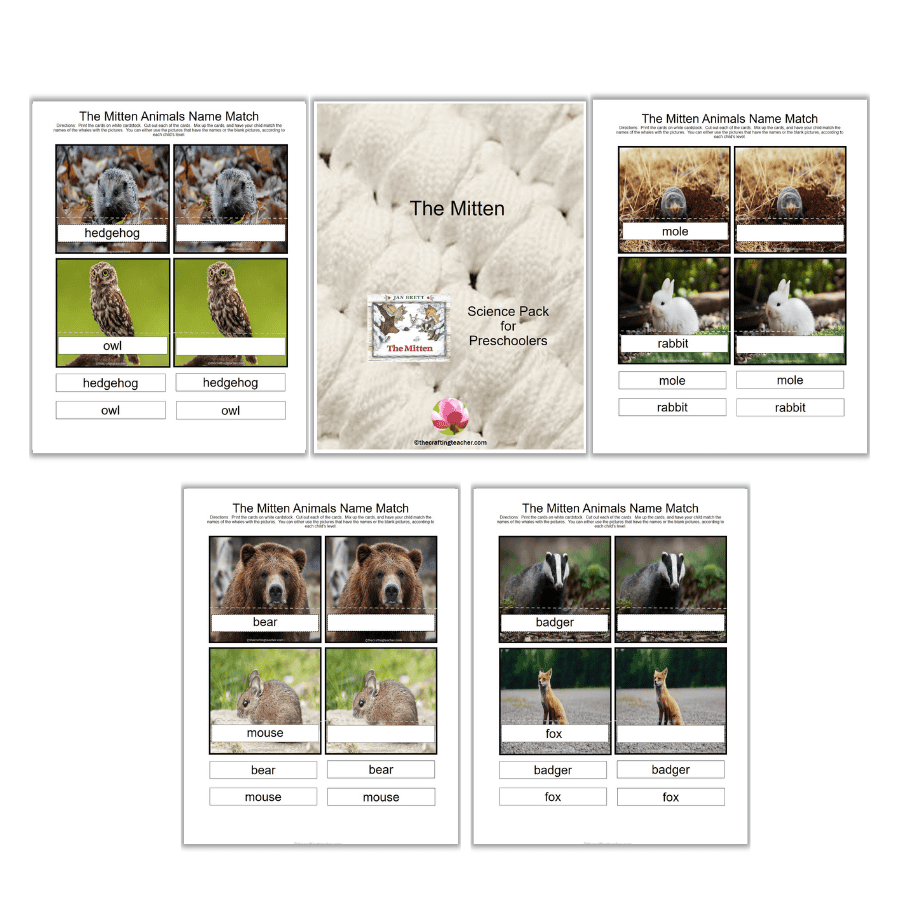
I’ve included cards with their names in two versions: one with the names and another blank, so you can choose based on your children’s level. Print the cards and tags from The Mitten Science pack on white cardstock, then laminate them for durability. You can add Velcro to the tags if you want.
Matching Animals’ Body Parts
Teach your preschoolers some animals’ body parts and their functions to help them see their differences and similarities. Then invite them to practice matching the names of each animal’s body parts.
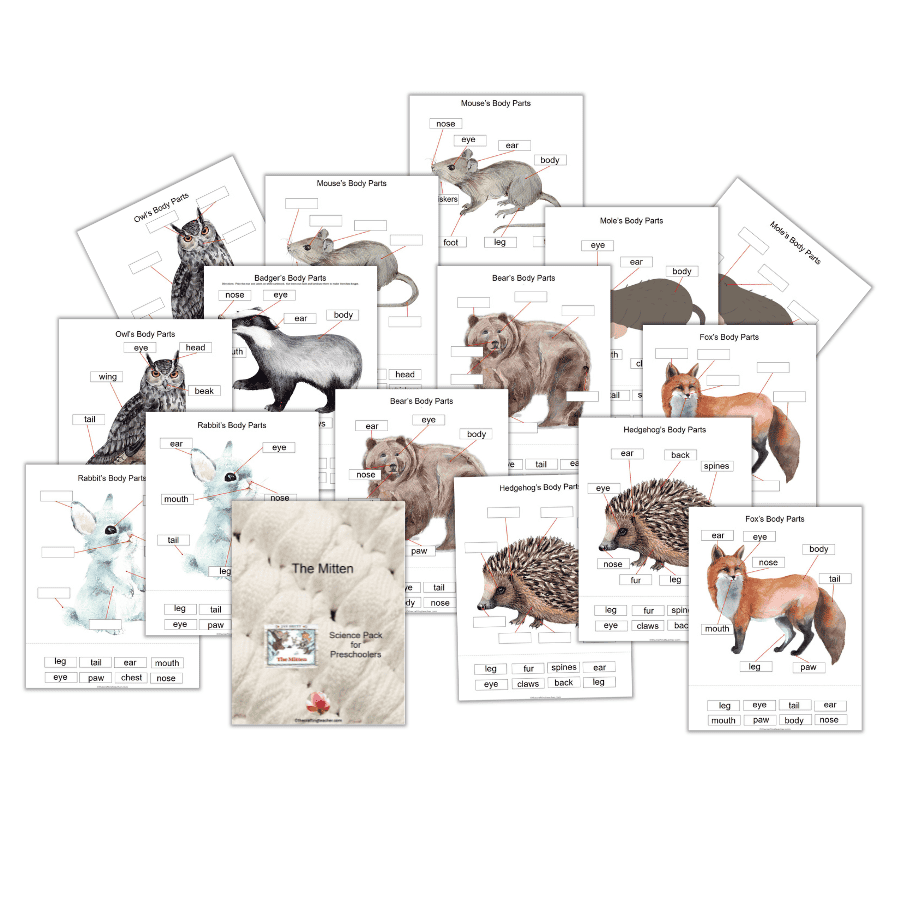
I’ve included two versions of each animal, one with names and another without. Select the options most appropriate for each child, based on his or her developmental level.
Print the pictures and tags from The Mitten Science pack on white cardstock and laminate them for durability. You can add Velcro to the tags if you want.
Other Activities:
- Invite a vet or zookeeper to the class to talk about the animals in the story.
- Compare the sizes of different animals to determine which is the smallest and which is the largest.
- Invite the children to sort the animals into categories (mammals and birds) and by body covering (feathers, prickles, and fur).
- Use the playground to mimic the animals’ movements:
- The mole tunneled and burrowed.
- The rabbit hopped and wiggled.
- The hedgehog snuffled.
- The owl swooped down.
- The badger’s digging made it hard to walk on his hands.
- The fox trotted.
- The bear lumbered.
Related Books
As usual, I like to include books in all my activities. Below are some suggestions for other books related to the story. You can find these books at your local library, used bookstore, or on Amazon. To add them to your collection, you can use my affiliate links embedded in the titles for immediate access.
- The Mitten: An Old Ukrainian Folktale by Alvin R. Tresselt.
- The Farmer and the Mole by Hemanth Manokaran.
- The Little Snow Mole by Andrea M. Peterson.
- All Things Rabbits for Kids by Animal Reads.
- Bunnies: A Wild Wonder Book by Mary Sivertsen.
- All Things Hedgehogs for Kids by Animal Reads.
- Pickly But Cute: A Kids’ Guide to Hedgehogs by Brian Thomas.
- Owls by Laura Marsh.
- A Little Owl by Rosalee Wren.
- Badgers! by Hope Aicher.
- Facts About the Badger by Lisa Strattin.
- All Things Foxes for Kids by Animal Reads.
- Foxes by Laura Marsh.
- All Things Bears for Kids by Animal Reads.
- All About Bears by National Geographic Kids.
- Little Mouse’s Sweet Treat by Shana Hollowell.
- Mouse Paint by Ellen Stoll Walsh.
Pin It For Later
If you are in a rush and don’t have time to read the post and download the printable, but want to save it, pin it to your science board (or another board) on Pinterest for later.
You can use these ideas on their own. Still, I invite you to combine them with the activities I included in the literacy and math packs I created for this beautiful story, The Mitten, to take advantage of the opportunities this book offers.
Remember that you should not divorce literacy from math, science, or any other domain to achieve a more comprehensive educational process. They intermingle and complement each other.
Click on the link below and type your email to download your FREE The Mitten Science pack.
Be happy, safe, and creative. I wish you well.
Love,

P.S. Let me know if these activities work for you. If you want to see an article or a printable about making something specific, please let me know, and I will try to create it for you.
Other Posts You Might Like: